Author: ClearboxDesigns

Sub-Arctic Survival

Here at BCS we are serious about our Survival courses. As the only Survival company in the UK experienced and qualified to take our clients into the most remote regions in the British isles, you can be sure to learn a whole load whilst having a first rate experience. The Cairngorms is probably the only region in Britain where you are almost always assured snow, and we know where to find it!

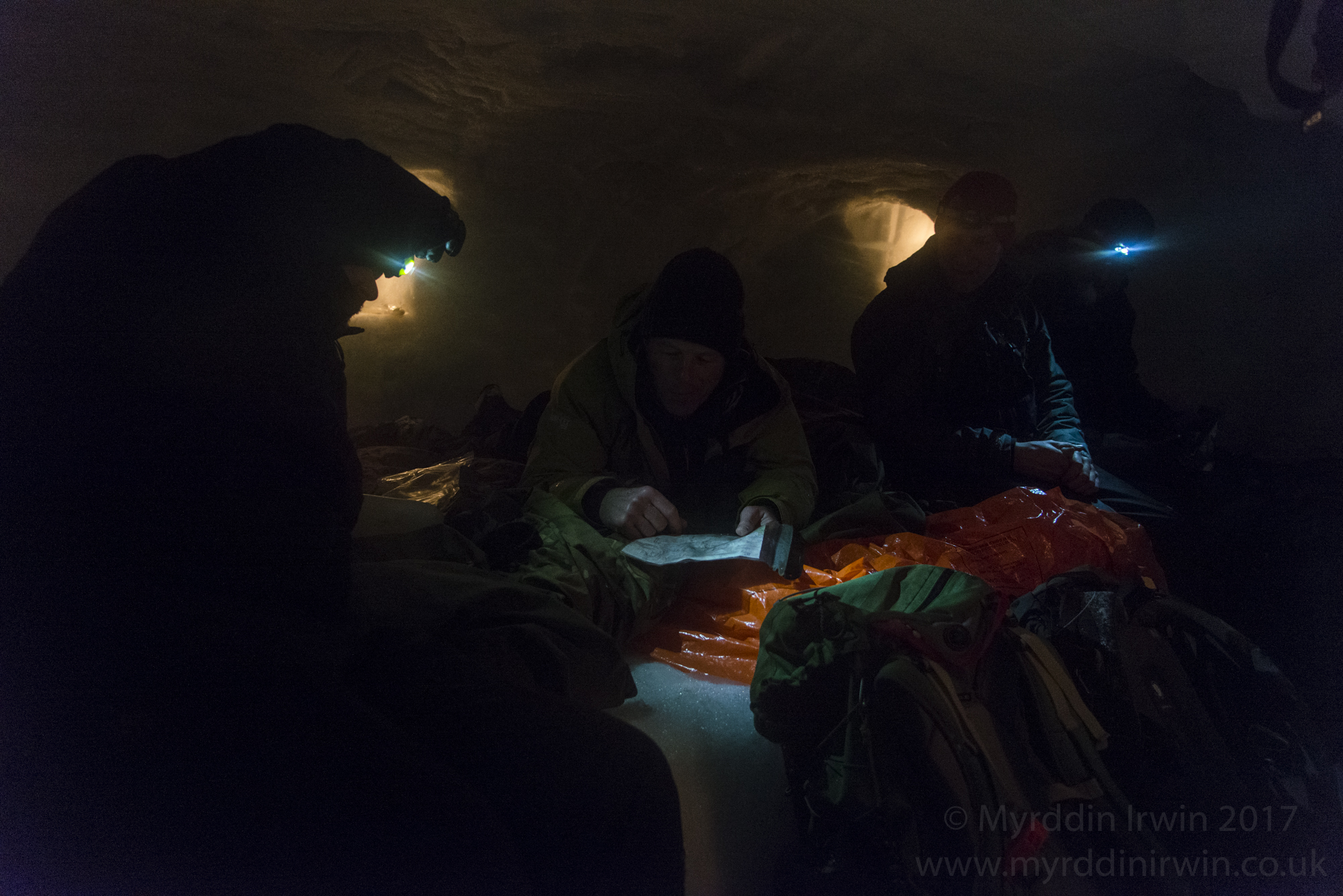
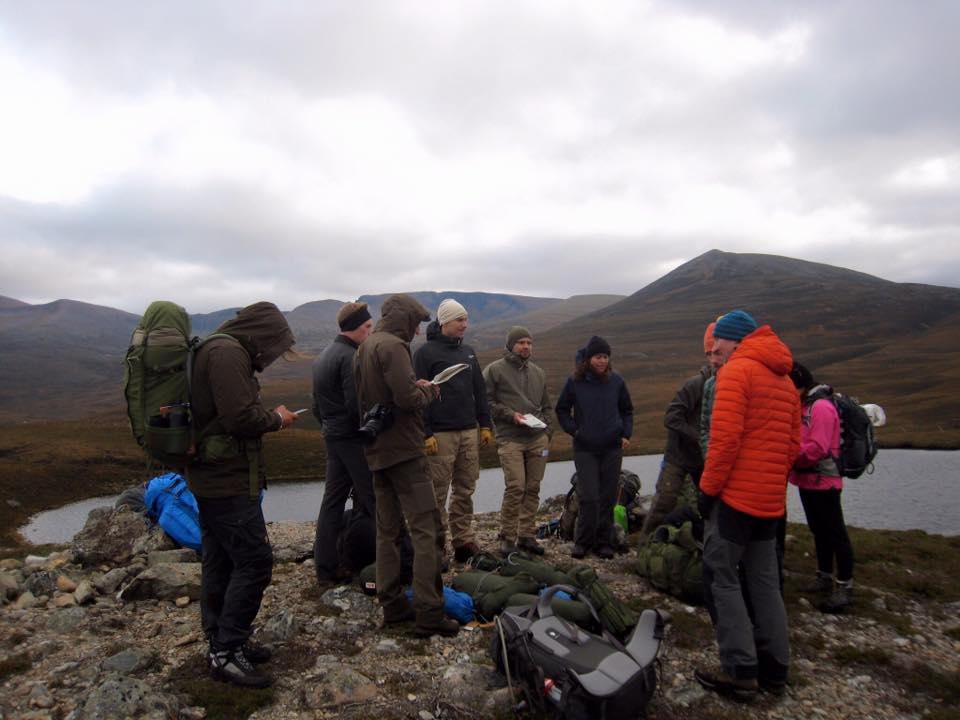
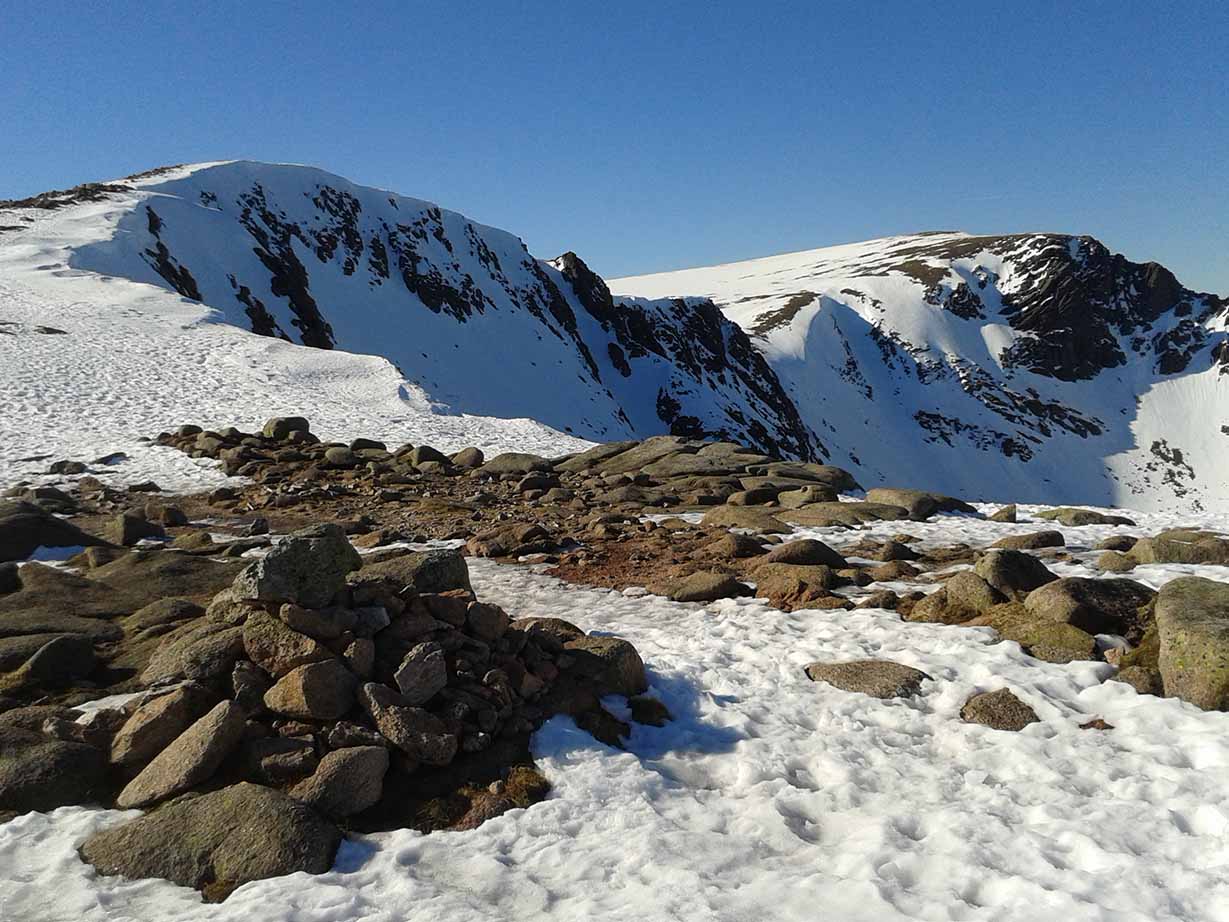
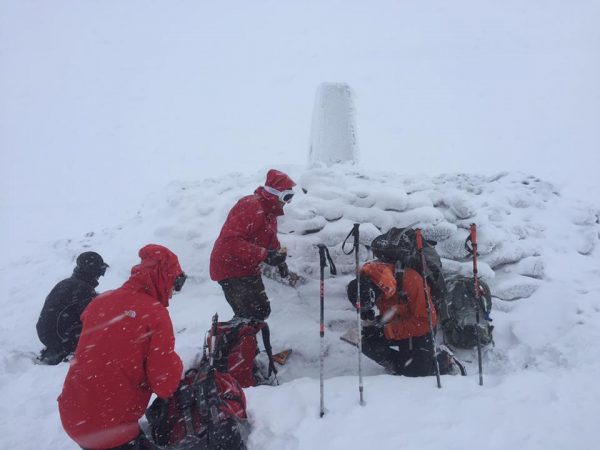
The three day winter skills course covers all the basics you need to stay safe in a cold climate.  Last weekends course saw our clients out in 80 mile an hour winds with a wind chill factor of some -30.  We also take our teams above 1000 metres and stay in a snow hole for an overnight.  Contrary to popular belief a Snow hole is one of the safest and warmest winter shelters you can live in……if you know what you’re doing!  But it’s not all about having fun!  The 3 day winter course also covers the following;


  • Safe route choice and planning stages
  • Weather prediction and Avalanche awareness
  • Map reading and GPS
  • Emergency shelters
  • Ice Axe and Crampon use
  • Ice Axe arrest techniques

The final 3 day course this year will be running on the 10th – 12th of March and we have two places left to fill, which are going for £180 per head rather than the usual £310. If you are interested please send us an email or give us a call.

The Psychology of Survival – Part 1

It’s all in the head, someone once said.  In our two part look into the workings of psychology, Bradley Lotts talks about the effects of a traumatic experience on a Survivors mind.

In a real-life emergency, the skills and knowledge of building shelters, making fires, getting food and such like will only get you so far. It takes a lot more than these skills to survive. You could have all the survival training in the world however to use such training you need your mind; yet your mind is immediately impaired in a survival situation. To survive you will need to overcome strong emotions and thoughts that are associated with the stress of a survival environment and not let it destroy your will to live. John Leach, a leading survival psychologist, has described in an article ‘the won’t to live’ and how we should be paying attention to people who die unnecessarily in a survival situation as oppose to those who survive. Survival Psychologists are keen to study the impact of disasters on human behaviour as systematically and scientifically as possible, therefore several models have been devised to classify all disasters in a generic way so as to study the pattern of behaviour and transfer it across all events (Powell & Rayner 1951; Glass 1952; Tyhurst 1951).  For the purpose of his book, Leach has combined three dynamic models into a five-dimensional model which allows survival behaviour to be studied in a clear and robust way.

Pre- Impact phase

Threat stage and warning stage

Impact phase

Recoil Phase

Rescue phase

Post- Trauma stage

The first period of a disaster is known as the Pre-Impact phase and this is subdivided into the threat and warning stage. So, what exactly is defined as a threat?

The term threat has several meanings. It can be defined as a communication of intention to cause harm. In the Oxford Dictionary a threat is defined simply as, “A person or thing likely to cause damage or danger.” In a psychological manner, however Leach defines a threat as the perceived probability of a disaster occurring. Even when there is a high probability of a threat, people’s behaviour tends to be inactive during this stage as they remain in denial that anything bad will ever happen to them. In general terms, most people feel invulnerable and they don’t believe that they themselves could be directly or indirectly affected by a disaster. As an example of this I am sure many people have seen the film 127 hours, when Aron Ralston, a canyoner, became trapped by a chalk stone that came loose as he was descending into a Canyon. Aron Ralston didn’t leave anything to let people know where he was going – an action that is vital when venturing anywhere that poses a threat – and this could have been due to him being in denial that anything bad could happen. The consequence of this led to Ralston being trapped for days and eventually having to make the decision to cut his own arm off to free himself and survive. Had he left a note to say where he was going Ralston could have been found sooner. An example of denial and inactivity that is written in Leach’s book is the Ash Wednesday 1983 bush fires where 72 people died and 2000 homes were destroyed. 2 years prior it was revealed that out of a list of 10 precautions laid down by the local fire authority, most people only carried out one. Furthermore only 16% knew the number for the fire brigade. Why do people not prepare? Leach has outlined three basic reasons to explain this; planning and preparation is inconvenient in day to day life as it requires physical and mental effort; preparation can often come with a financial cost and thirdly, there is a common superstition that to prepare for a disaster will only encourage one to happen. People tend to dislike even thinking about a disaster affecting them as it provokes negative feeling and emotion therefore there is an ignorance to the potential of disaster which will indefinitely cause a lack of enthusiasm to prepare for anything.

Following the threat stage is the warning stage and this stages can cause a completely different reaction in people as the threat is made physically real. Disaster is now impending. Contrasting the threat stage, this stage characterised by over activity. This behaviour is just as ineffective as inactivity as people have a frantic urge to do something even if it is inappropriate and irrational. Surprisingly, it is common for people to still be in denial even though a warning has been given that a disaster is going to happen. An example of such denial was given by Pauls (1974) who found that during a fire drill in a high-rise office building only 17% out of 176 occupants interpreted the situation as a genuine fire alarm. This was in fact a practice drill however 90% of the people were not aware of this. It has been noted that people can completely ignore a warning till right up to the last minute before the incident occurs. Why do people ignore warnings? It could be said that in some instances people do not believe the warnings and they remain invulnerable until they see the actual disaster occurring with their own eyes by which point it can often be too late. Consider the following example; 1987 in Hungerford, Michael Ryan goes berserk in the afternoon with an automatic weapon leaving 16 dead. Several people died because they ignored warnings and walked straight into Ryan’s gunfire.  Sounds completely surreal that people would do that and you yourself may think you would never do such a thing however this type of inappropriate behaviour during a disaster is common.

Next up is the Impact period. This stage can sometimes occur without a pre-impact stage as some potential incidents can happen very suddenly, such as a car crash or an explosion. The impact period is said to be extremely overwhelming as sensory information rapidly floods the brain all at once making this stage the hardest to prepare for. Even people that are constantly trained to deal with these kinds of situations are not protected from the sudden psychological effects that the impact stage brings. Behaviour during a disaster varies from individual to individual, however from independent studies of disasters over the years it has been noted that there is a similar pattern of responses. People affected by a disaster tend to fall into 3 groups; 10% to 20% of people will remain calm thereby having the ability to think rationally and act effectively, approx. 75% of the population will be stunned and bewildered causing their thinking to be significantly impaired and between 10% and 15% will show a high degree of inappropriate behaviour that is ineffective and could potentially be a danger to themselves and others. Putting this into a real-life example; An armed robber once reported that as he walked into a bank he would always look for two people when he ordered everyone to put their hands up. He would look for the first person to raise their hands because he knew that the person can think quickly in a stressful situation and therefore could be a potential problem for him. He also looked for the last person to raise their hands as they were not fully aware of the situation and could also be a threat.

Recoil period is when the initial danger has been removed and the victims begin to take in what has happened. This can bring a whole array of emotions usually starting with confusion as there is a lack of awareness for what has happened. Once awareness has returned emotions turn into fear, resentment, anxiety and anger. Family ties are very strong and usually override everything else. People will show high levels of hyperactivity until they are reunited with family members. Survivors will get an almost childlike dependency to be with other people to comfort themselves, it is important that the groups formed are of a strong nature and do not allow peoples psychological state to further drop. The victims cannot sort this grouping system out themselves and will need to be almost mothered by rescue services etc. to form theses important groups. Yet again the victims can be in a state of denial during this phase telling themselves that this cannot be happening to them. There is also a strong need for victims to talk about what happened to them. Friedman and Linn (1957) reported that survivors of the Andrea Doria sinking had a compulsive need to tell the story again and again, with identical detail and emphasis.

The final part is the post- trauma period, this is the part where the victim will attempt to rebuild his or her life. It is also the stage where psychological reactions become symptoms recognisable by medical diagnostic criteria, such as recurrent dreaming, anxiety, depression and psychosomatic disorders. The event can increase fear and apprehension in a person, suggesting that the experience of a disaster may not necessarily help you to cope better in another life-threatening situation. Manolias and Hyatt-Williams (1986) study of post shooting experiences in firearms officers re calls on incident where a police officer was involved in his second shooting incident and he believed that the first incident he was involved in would help him to better cope with the situation. However, when he heard gun shots a strong feeling of fear returned and he thought to himself ‘not again’ and just wanted to find cover.

The model just discussed describes a collective response to a disaster, we will now talk about common individual reactions to potentially life threatening situations.

The first reaction we will cover is Panic. Panic is not a common reaction in a disaster; panic tends to set in when people are in enclosed areas and their potential exits are slowly closing. A good example of panic would be in the film titanic where the life boats are leaving the ship and fewer and fewer people have any hope of getting off the ship thus closing their exits, therefore they are trapped on a sinking ship with nowhere to go. Panic makes people lose their judgement and discretion and once it sets in it is very contagious. It is rare to see people panic when they are caught in a disaster, say, outside where they are not enclosed and they have unlimited exit points, having said this it may be more prevalent in an outdoor scenario where an individual is lost.

Paralyzing Anxiety is next, Anxiety in life threating situation can cause certain individuals to freeze on the spot. There have been two types of freezing identified and they are deadlock and live lock. Deadlock victim’s muscles show intense rigour and the person becomes hard to move even with physical violence. The second one is live lock which produces muscular tension which is within normal range.

Perceptual Distortion or tunnel vision, which I’m sure people have heard of before, is the next part we will talk about. Perceptual Distortion gives a high level of concentration on a task that has been selected during a stressful situation. The selection of this task is not always the right one in the highly stressful situation.  Perceptual narrowing has been induced chemically by certain drugs such as adrenaline, methamphetamine and amyl-nitrite (Callaway and Dembo 1958). The agents mentioned above are related to the activation of the sympathetic nervous system, which is known as the fight or flight response.

Denial is the most common reaction before, during and immediately after an incident occurs. It can take different forms like straight forward rejection to an incident happening. It can also comprise a state of psychological disassociation which has been described by survivors as a sense of dream like reality. Denial can also be reinforced by past experiences like getting away with something once will make you think it will be fine to do it again. Also, people react to other people’s actions – remember we talked about how panic is very contagious, well so is denial. If everyone else is relaxed about a situation and is in denial that anything bad will happen it tends to be the attitude of the whole party involved.

Depressed reaction and apathy can occur if an individual does not overcome the feeling of denial. Depressed reaction should not be confused with depression which is psychiatric or a medical condition rather than a psychological dysfunction and it may be best to view this reaction as hypoactivity. People that show symptoms of depressed reaction look numb and they sit amongst the chaos and debris and almost have which some call a thousand-yard stare. The problem with depressed reaction is it can leave the victim open to other life threatening situations such as the onset of hypothermia.

Hyperactivity is the next thing to talk about and is the complete opposite to Hypoactivity. The victims show a maladaptive response to their situation when they become hyperactive. It has been more frequently noticed in the victims that are just coming through a state of depressed reaction. Hyperactivity gives the victim confidence in their own abilities which is both unreal and unwarranted. Their actions can be inefficient and inappropriate and worst of all, dangerous.

Next up is Stereotypical behaviour. When people are faced with a life-threatening problem they have been known to fall back on well learned behaviours. An example of this is given by Holden (1986) when a bank clerk in Norway was confronted by an armed bank robber who demanded money. The woman was momentarily so surprised that she could only respond the way she always had: she pointed to her left and said cash? Next desk’.

Irrational Behaviour is when people carry out inappropriate activities during stressful times. An example of this came from Lord (1955). During the sinking of the titanic a passenger called Mrs. Dickson- Bishop left behind £7000 worth of jewellery but she sent her husband back to their cabin to fetch her muff.

Anger, aggression and hostility amongst victims is universal. Janis (1951) highlighted that during the blitz in World War 2, air raid victims blamed Churchill, Hitler, the Royal Air Force, the Luftwaffe and even the local air raid warden for causing the destruction which had recently laid waste to their environment.

Guilt is a common feeling for survivors. They sometimes feel guilty about surviving instead of the others that didn’t make it. They can also start to blame themselves for what happened and allow themselves to think that they could have helped more than they possibly did.

The last part in different individual reactions is Psychological Breakdown. This is the ultimate psychological problem people can face in an extreme situation. This stage should not be confused with a mental breakdown. Once this stage is reached death is often close to follow. The initial symptoms include development of irritability, disturbance of sleep and mild startle reaction followed by social withdrawal, loss of interest, apprehension and confusion.



Antique Survival Kit Roadshow.

Senior Instructor Graham Melloy is about to depart to Africa as part of a UN peace keeping mission. Below he covers some of the survival tins he’s collected over the years.


In the mid 1980’s when I first ventured out in to this line of interest the big thing was making your own survival kit or more commonly a survival tin.  Now these kits were put together with whatever we could muster up from our hard earned pocket money from Survival Aids which now no longer exists as well as what we found in our old man’s sheds!


I have always had a survival kit and I now have a much tailored and tried and tested one that I never leave home without but I also have a wee collection that I have as an interest.  I thought I would share some of these with you and you will see that some of the items are fairly universal through the decades:

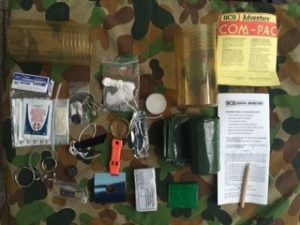
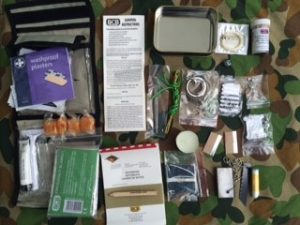
Old BCB COM-PAC kit circa early 1990’s

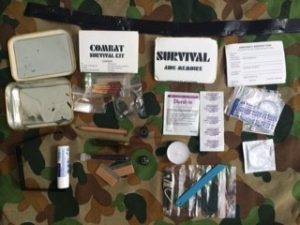
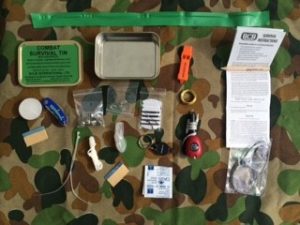
Survival Aids Combat Survival Tin again 1990’s

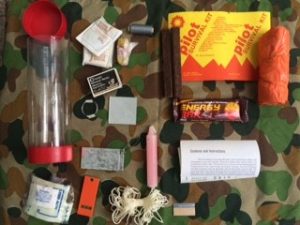
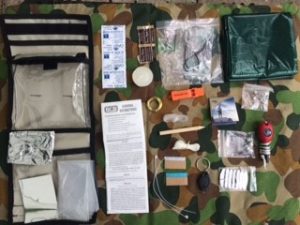
Coghlans Pilots Kit I picked up about 19 years ago


Now the above kits all have everything pretty much required for PLAN-M in some sort of form.  As they are survival kits a lot of the items are one trick ponies that will keep you going for that all important first 72 hours.  Some items can be used over and over again with care.  I also have a few variants of BCB military supplied kits that are available which most people will be aux fait with.

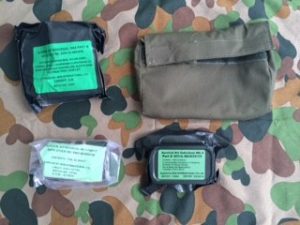
Pilots Mk 4 Go Pack which comes in 3 packs each containing what you require for a “survival” situation.


Some more up to date versions Above – Military, Combat and basic pack all of which are very similar with some containing more luxury items.

I have loads of parts of kits and some really extensive self-made ones for different environments but these are clearly a personal choice thing.  There is no hard and fast rule as long as you cover the essentials required in conjunction with PLAN-M.  I am just on the lookout now for a vintage WW2 survival kit to add to my collection.


Making a Splash in the Cairngorms with “Splash Maps”

Fabric maps are nothing new, but like a lot of great products in the outdoors “a nod” in the direction of tradition can be a good thing……a modern twist on a proven method can only result in a great product.


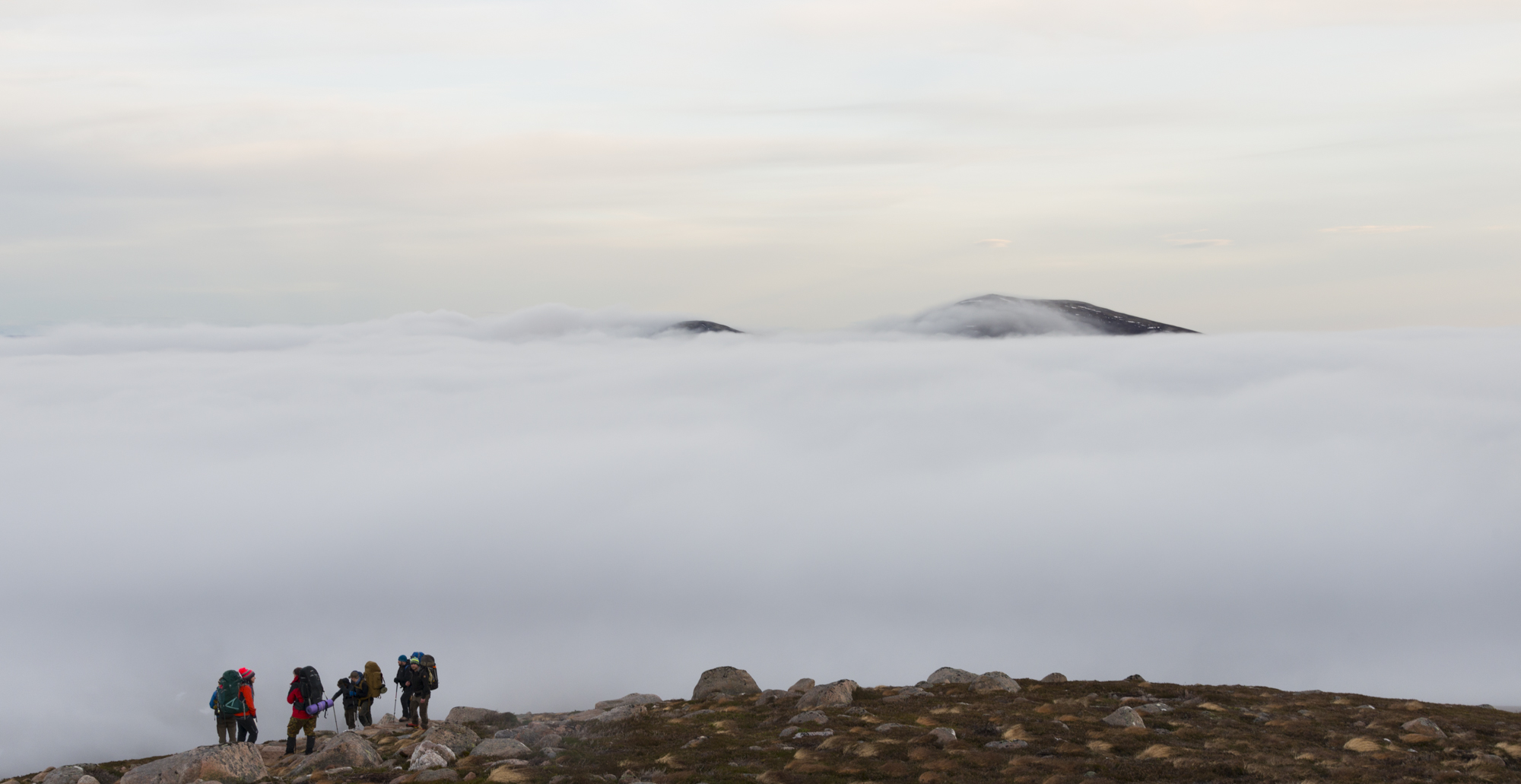
temperature inversion high on the Cairngorm Plateau during the test of the Splash Map

Fed up with folding and refolding my maps to areas I required as well as having them wear out over time (even when protected in a map case) and cutting a map up is really poor practice, I recently purchased a fabric map from a company called Splashmaps  of the Cairngorm area based on the Harvey 1:40000 map. I had a good conversation with David Overton from Splashmaps and about the products and these are my thoughts on my purchase.


The Splash Maps Harveys Cairngorm Snood map

Now this will make purists and traditionalist cringe, but hey,  you sometimes need to take a deep breath and try something new.  The map I bought was definitely a change as it was a stretch map that was basically a snood!  This is something really innovative.

The bespoke BCS splashmap

So let’s see what it’s all about:  The Harvey map is printed onto a fine and stretchy microfiber and can be worn around the neck, head or wrist.  It has all the cartographic style of Harvey maps and the detail is really clear.  I was heading off  onto the sub-arctic plateau of the Cairngorms instructing a group of nine on “winter skills” and within the group, there was a good mixture of OS 1:50000, 1:25000 as well as Harvey 1:40000 & 1:25000 in use.  I opted to concentrate on the Splash Map stretch map as well as my Harvey 1:40 (which I stowed in the bottom of my pack) as I knew the area we were heading to and I really wanted to see how I faired with this.  Now I have extensive map reading experience and I have used mapping all over the globe but this was completely new.  I had previously experienced military Escape & Evade maps which are usually of a greater scale and not the greatest to use for fine work but this was a real eye opener.


Orientating the splash map snood to the ground using physical features at the start of the day

The first thing that I noticed was that there were no grid numbers on it………this will make lots of people raise an eyebrow, but if you pause for breath and think about it the map is stretchy so taking a grid reference is not going to be accurate so you can only use it for landmarks, bearings etc.  This is not a show stopper, as you can pre plan a route on a normal map and then trace it onto the stretch map using the Crayola pen supplied (which can be washed out later) if required.  I managed to identify everything easily, take bearings and orientate the map easily with my compass.  It was just a case of folding it to the area I required and doing all the normal map and compass work.


Taking a bearing using the Splash Map is easy

How many folk take two maps with them in the case of losing one? Having a splash map on you as a “back-up”, or in good weather a primary navigational aid can only be a good idea. All in all I found it really useful as I used it round my neck as a buff type item then used it to navigate around the hills.  If you are not comfortable with having no grid numbers then you can get a non-stretchy fabric map which does have the grid numbers on it.  I’m telling you folks this is the way forward now, and it is something I fully recommend you to try out. BCS will have a number of Splash map products on trial for you on our courses for 2017……..with our own twist!   Get on the web site and have a look at the products.

Fire-Lighting Whilst injured

Bushcraft and Wilderness Survival Courses in Scotland

ONE ARM FIRE LIGHTING

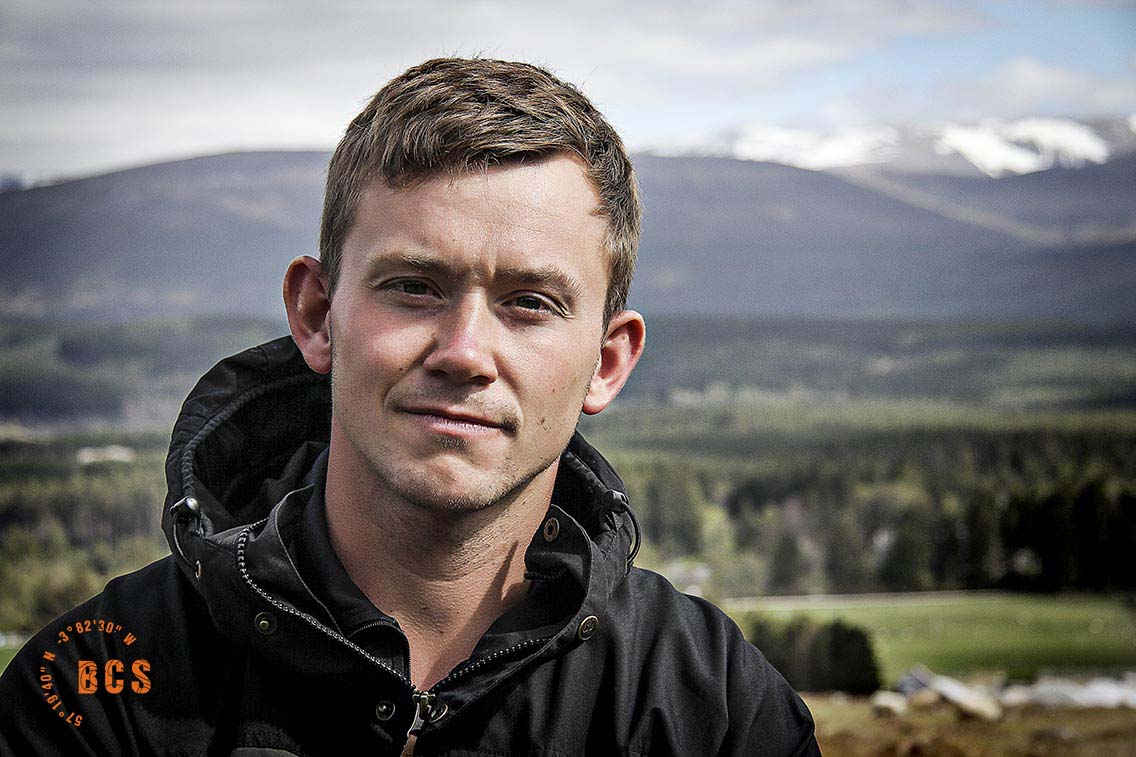
BCS Instructor Bradley Lotts has recently undergone surgery on his arm, which got him thinking………..how easy is it to light a fire with one hand.


So, fire lighting is a very important part to our survival and it isn’t a one trick pony and can be used for several tasks including Warmth, signalling, light, Drying clothes, making tools, water pasturisation and cooking. For most of the people reading this article we have all managed at some stage, be it during a camping trip or personal development days to start a fire for whatever reason we might need one. Keeping the 7 P’s in mind we head of and collect all our resources to give us the best possible chance of getting our fire started. Collecting our tinder ensuring we have enough to give us a strong enough flame to catch our kindling and working our way up the thickness of the twigs until we get our fire sustained.  Easy?

Right okay so put yourself in a situation where you have been in an accident and you have managed to break either an arm or even worse a leg, suddenly that simple little task of collecting all your tinder and kindling could end up being a right pain in your ass. One big factor that is going to play havoc with your head is maybe not the thought of potentially having to crawl about the woods looking for dry usable material for your fire but your will to live; Can you muster up enough positive thinking to help you push through this extremely hard life or death situation? Which leads me on to a bit about survival Psychology

Survival Psychology

Cognition controls all our behaviour however when life is threatened this fundamental function of our existence can become impaired. Such impairment can be fatal and can lead to unnecessary death in a survival situation. There is theory known as 10-80-10 which suggest that 10% of people facing an emergency can control their fears and act rationally, 80% find themselves overcome with fear and emotion and lack motivation to respond while another 10% become hysterical and freeze. To ensure that you are part of the top 10% with a better chance of survival you must have situational and self-awareness.

To have both you must first have knowledge of the physiological processes your mind and body both undergo during an emergency.  

The Situation

You are out mountain biking when you hit a rock on the ground and fall off. When you sit yourself up you realise that you have broken your arm. You are in the middle of the woods far away from the main road, your phone has ran out of battery and you are unable to cycle back. You look at the time on your watch and realise that it will be getting dark very soon.

How your body responds

The sympathetic nervous system, which stimulates your fight-flight-freeze response, is activated to take control of your body. This results in the pituitary gland secreting 3 key hormones into your bloodstream – Adrenaline, Norepinephrine and Cortisol.

Adrenaline and norepinephrine are basically the same. Norepinephrine is pretty much a back up to adrenaline. Both have a major role in preparing your body for battle in numerous ways. They cause your heart rate and blood pressure to increase and your lungs to expand to take in more energy (known as bronchial dilation). Blood is channelled away from the digestive system and the skin towards major skeletal muscles for quick action and strength. They also trigger the production of glucose and the secretion of cortisol sets fatty acids free to be transformed into energy. These molecules are rapidly excreted into the bloodstream supplying a readily available boost of energy for muscles throughout the body, priming them for exertion.

Cortisol is released more slowly than adrenaline and norepinephrine and it helps to sustain the fight-or-flight response over an extended period. The digestive and immune responses are slowed in the anticipation of a fight.

The dangerous scenario

Over time the engaged sympathetic nervous system depletes the body’s energy reserves of glycogen and fat stores. If it goes on too long you could experience a crash which leaves you feeling cold and tired. The more primitive portion of the brain (the limbic system) takes control from the more developed frontal lobe. Thoughts become less logical and more visceral. This can lead to impulsive and irrational behaviour. If this is not controlled, then you can very quickly become the 80% who have no will to live or the bottom 10% who are too hysterical to even have a chance at coping.

We now understand how our brain is going to react in the situation so we have a fighting chance of overcoming the problem. So, we have collected all our materials for getting our fire started we now must work out a way of getting it done with one arm.

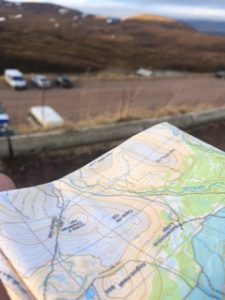
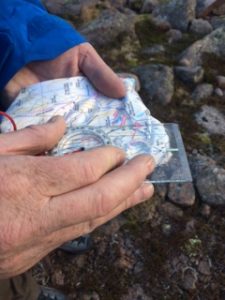
 1 2


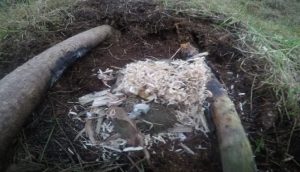
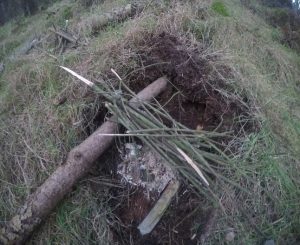
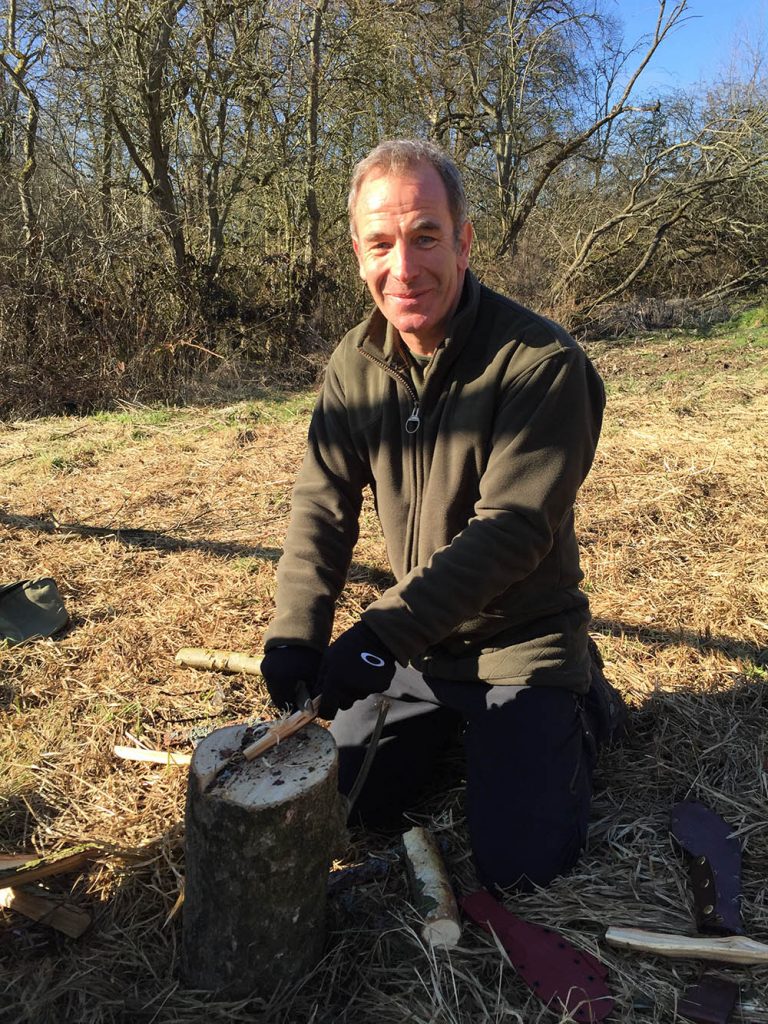
The pictures above show how I managed to get a fire going using one arm this is defiantly not the only way to get a fire going with one arm but it worked well for me as you will see in the video. The picture on the right shows you a big tinder bundle which is going to give me a better chance of getting my fire going.

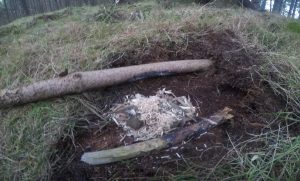
 3 4

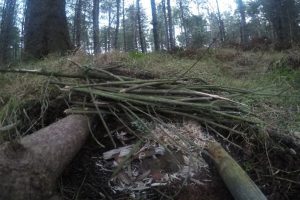
Above On the left, you can see the layout I chose to give me the best possible chance of getting my fire started. The layout I chose was the lean-to fire lay which made the whole process a lot easier for me as I could easily control the oxygen intake to the fire by simply lifting and lying the kindling onto the log which gave it a 45-degree angle.  As you can see from the pictures above the angle of the wood allows a good supply of oxygen to flow into the tinder bundle. The smaller log of the two in the picture is a stabilizing log for me to rest my ferro rod on and hold in place with my foot so I can strike it using on hand.

I decided to use my ferro rod as it would be good practise……. a lighter would have been my first choice if I was in a real life threating situation. You should also carry at least two methods of starting a fire if you are going out in the hills or doing any outdoor activities, where the chances of you getting lost or hurt is high. There are other methods of starting a fire for example solar igntion, bow drill and flint and steel are all really good ways of starting a fire and it is good to practise these skills. If I was putting my life on the line I would put my ego aside and use the easiest method which is going to give me the best result and in my option that is a ferro rod and a lighter. I tried the bow drill with my broken wrist and found it nearly impossible and that was with a pre made set imagine having to try and make a set from scratch if you had a broken leg or arm, no thanks I will stick with my lighter, it is about survival not bushcrafting, two very different things. 

As you can see from the video above it doesn’t take me long to get my fire going using all the techniques mentioned above.

First winter trip of the season

BCS Instructor Graham Melloy heads up onto the Arctic Plateau of the Cairngorms.

image1

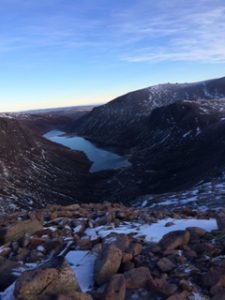
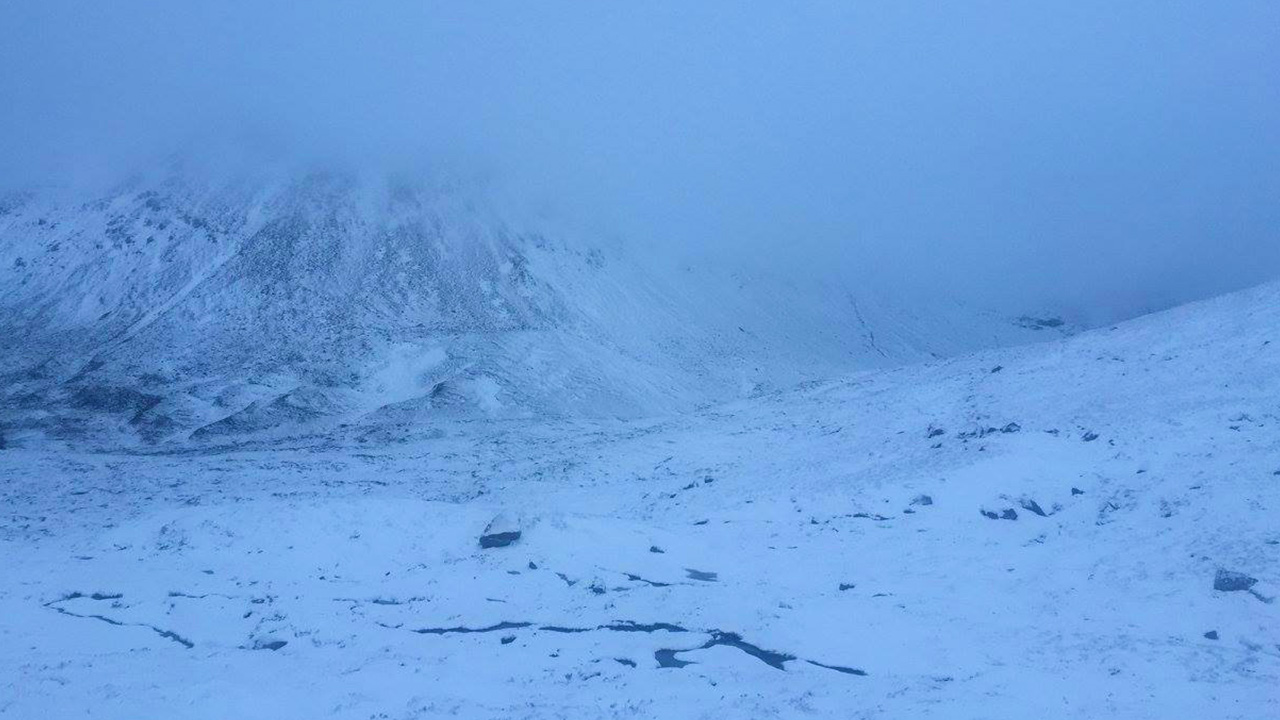
looking down into the Loch A’an Basin

After a very busy period at work prior to going out of the country for six months I found myself with some free time on my hands.  Apart from the normal family stuff on the calendar I decided that an overnight trip to the Cairngorms to shake off the cobwebs was just the ticket.  It was minus seven on the Moray coast when my son and I set off and it was still minus seven when we got to the ski centre car park so it was going to be a tester.

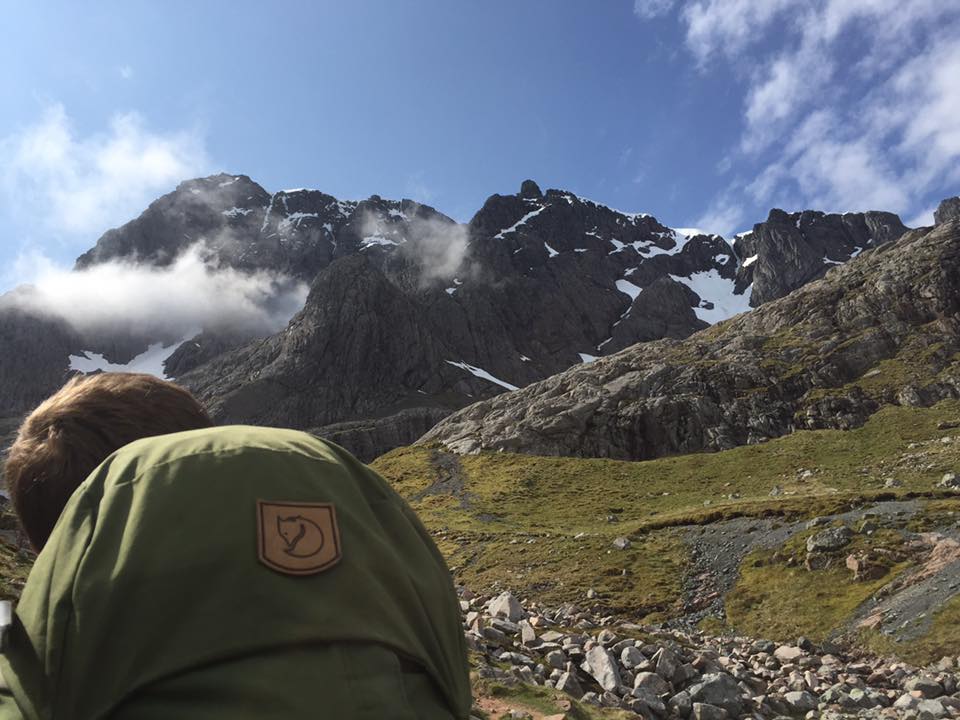
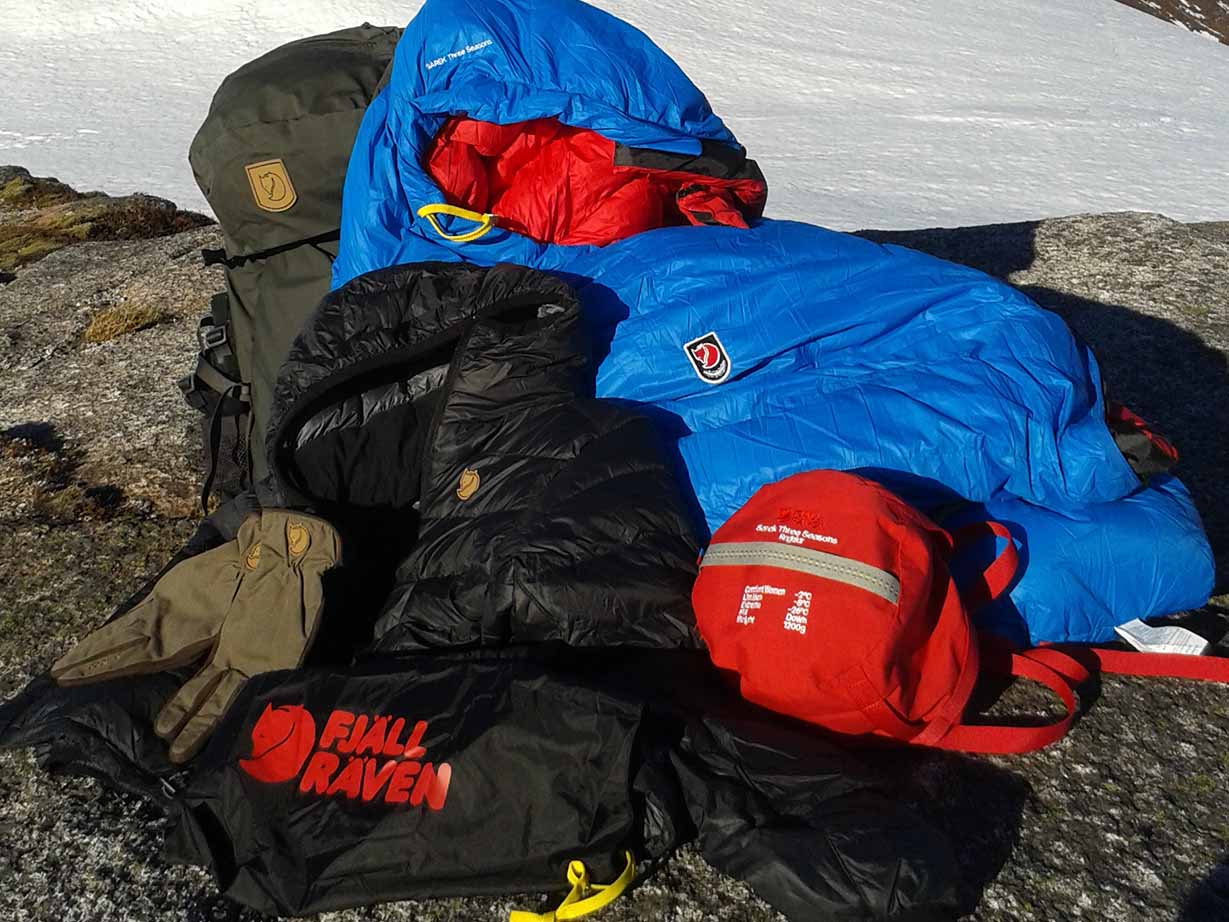
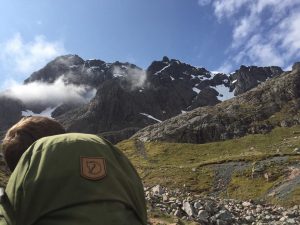
Between the pair of us we had more Fjallraven than the new Cotswolds in Inverness when we set off for our trek with the Kaipak 58 the bag of choice and having used it many times it still never fails to let me down.  Even though we were only out for one night with the temperatures as they were and the ever unpredictable weather that we have all experienced on the plateau we had to ensure we had all the necessary kit and this bag can take a fair amount without all the unnecessary straps and gubbins we find on gear these days.

image1-3

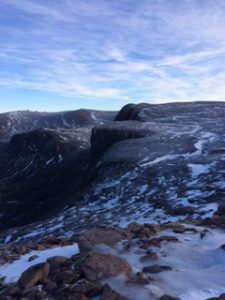
The flat topped Shelter Stone Crag with Carn Etchacan above it

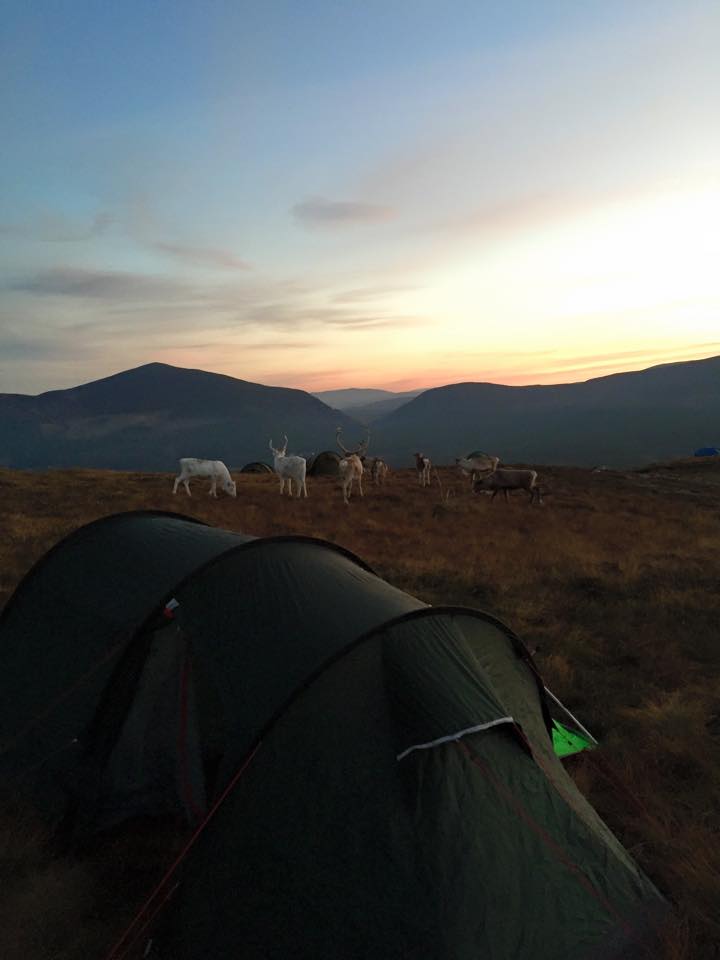
It was with relative ease that we headed up the hill skirting to the western side of Coire an Lochain with some detours due to ice patches up on to the plateau with striking views all round working our way across to Hell’s Lum Crag to get a good view of Loch A’an which was covered in ice with the plan to drop down to the shelter stone.  With the amount of ice on the ground and fast fading daylight the sensible decision was to backtrack and cross Coire Domhain towards Coire Raibeirt to find a nice spot to pitch the tent with good views.  We chose a nice spot to the south east of the Cairngorm summit overlooking the saddle with great views down towards the Fords of A’an.

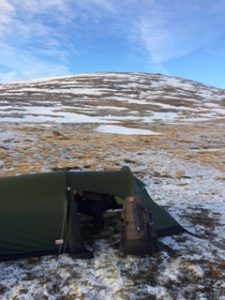
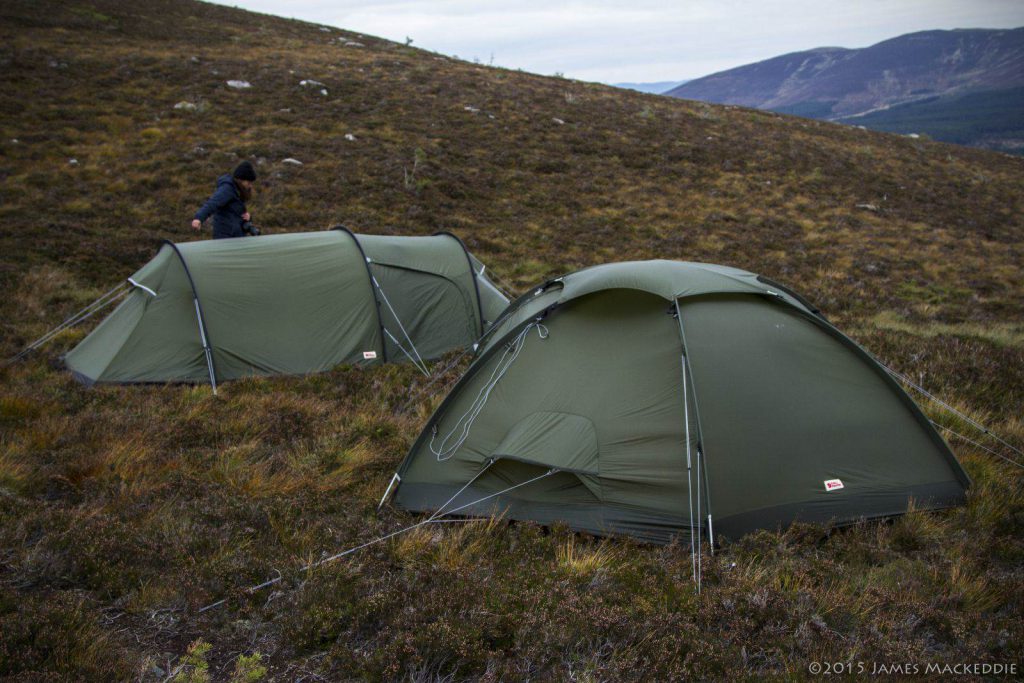
The Keb Endurance 2 is a gleaming bit of kit and takes no time to erect though with the ground frozen putting the pegs in required some size 9 action!  Once that was up and our gear stashed we had a wander along the edge of Stac an Fharaidh along towards Ciste Mhearad taking in the views and enjoying the silence.  The temperature was still very low but the wind was definitely picking up when we got back to the tent in darkness to get some food on the go and my LED Lensor H7R.2 lit the place up like a football stadiums floodlights!  This sudden change of weather whilst not unusual definitely made us re-evaluate our plan for the next day.

image1-1

Keb endurance 2 takes another pummeling, high on the Cairngorm Plateau. The summit of Cairngorm in the background

I had a Real Turmat beef stew tucked away in my bag left over from a previous training event with Rosker and having sampled these extensively in Afghanistan courtesy of the Danish Army I know how good they are.  My son though had to make do with a boil in the bag!  Once we were well fed and watered there wasn’t a great deal more to do apart from listen to the wind which was now howling and shaking the tent like crazy so it was an early night!  It was still cold and the Sarek 3 season down bag I have worked a treat with my home made silk liner. (Three panels from a

parachute…..try it!)   With the wind increasingly getting stronger I got up to check that the pegs and guy lines were still intact and I was nearly blown off my feet but all was well.  Sleep was interrupted by the wind throughout the night and at about 2am I thought the tent was going to take off but the guy lines held out and the poles stayed strong.  Daybreak brought a calm of sorts and the plan was to head off to Cnap Coire na Spreidhe and beyond to locate the El Alamein refuge but with a heavy fog and the wind picking up again it was the sensible thing to head down off the hill at our own pace.

So with plenty more excursions planned over the next few weeks before heading to warmer climates this was definitely a much needed shake out.  The Fjallraven gear never fails to amaze me and the Keb jacket was ideal for this trip with the Eco shell over the top when required.  The tent was excellent and the Primus Winter gas did exactly as it said on the tin compared to the normal Primus gas I also took along to conduct a comparison.

Here’s to the next one and a bit longer and hopefully more snow!

Backcountry Survival Knife

Bushcraft and Wilderness Survival Courses in Scotland
Backcountry Survival Knife

Backcountry Survival Knife

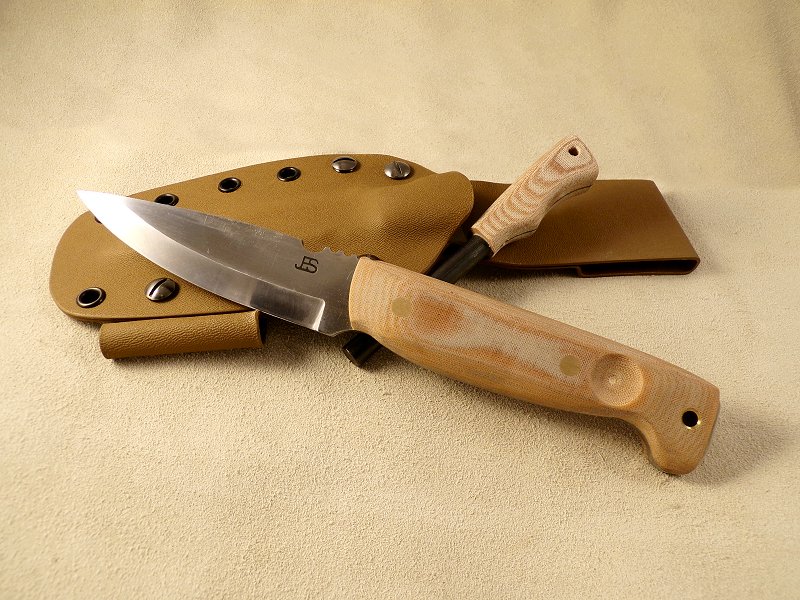
Looking for the perfect Bushcraft/Survival Christmas present?  Designed by Neil Foote of BCS and crafted by John Scruby of JES Knives. The BCS Knife is designed as an all round survival knife to be utilised in a wide range of scenarios and environments; from sea level to mountain top, and everything in between! When you book on a BCS course in 2017 the BCS knife will be there for you to trial.

Vital Statistics;

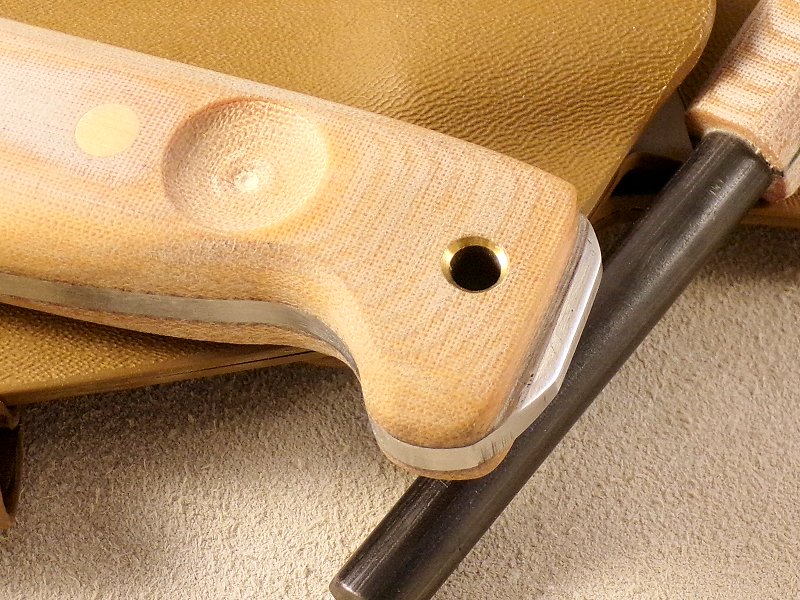
  •  Medium Profile. Full Tang Scandi Grind. 4″ 01 Tool Steel Blade (medium alloyed oil hardening steel). 4 mm Stock.
  • Thumb Grips for wet weather grip. Ferrous Rod striker groove.
  • 5.5 ” British Whale Brand Tuffnol handle. Stock handle is ergonomically designed for grip in wet weather.
  • Bow drill dimples. Lanyard eyelet (to fit .22 bullet) Bone/Glass breaker.
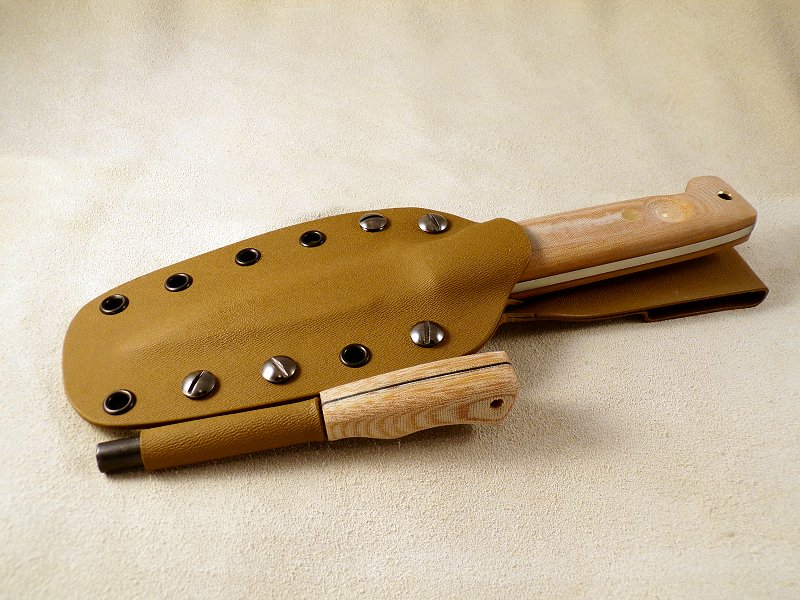
  • Kydex Sheath for easy care in the field/anti corrosion. 9mm ferrous sriker storage.

Does the perfect all round survival knife exist, or is it similar to the perfect pair of winter gloves?! Its all very much up to the individual as to what/where/when they will be using it at the end of the day.  The concept behind the BCS knife is that it has been designed with our courses in mind, and our clients complement us on our realistic training.


The blade has been designed to be heavy duty for all round woodland use, but well enough balanced and profiled for building traps and finer work. A full tang 4mm stock made of 01 Tool steel means the potential for distortion during heavy work is kept to a minimum, as does the potential for corrosion, yet the cutting edge can be kept razor sharp. The majority of Survival blades struggle with skinning small/big game, to us this is a big no no! The BCS is designed by John Scrubbie of JES knives. These guys have a long pedigree in providing quality knives to hunters and keepers who use their blades for this very reason!

bow drill dimples have been added to cut down on physical output when your friction wood isn’t perfectly dry and the lanyard eyelet will prize a .22 bullet from a round. The striker groove in the stock gives off a consistently bright shower of sparks. It is also possible to get sparks from the Bone/Glass breaker, using flint/quartz.

Backcountry Survival Knife

Backcountry Survival Knife

Why Kydex? Not as attractive as leather but the BCS knife is all about function over form. Having experience of running courses in the mountains, on the coast as well as in the woods we know that build up of grit over time can act as an abrasive on the cutting edge. Kydex is far easier to clean out, it also has the upside of drying out far quicker than leather, reducing the time that the steel is in contact with moisture.

The full package will weigh in at £180.00, which for an all rounder is exceptional. Still not sure? Why not book on one of our courses in 2017 where you will be able to test the BCS knife for free!

Keep up to date with our blog for more offers on our Bushcraft and Survival Courses in Scotland and North East England – We feature discounts and competitions regularly.

Fjallraven Kaipak

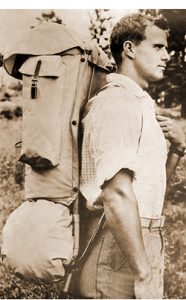
akeEver heard of Ake Nordin? You’d be forgiven if  you haven’t.  Ake lived in a town called Örnsköldsvik in East Sweden, a keen scout and outdoors man that was not entirely happy with the rucksacks and outdoor equipment of the day.  At the age of 14 and prior to a trip to the Västerbotten mountain range Ake borrowed his mothers sewing machine, and after knocking up a satchel made of strong cotton, attaching it to a wooden frame (he knew that carrying equipment on his back required it to be close to his back with a high centre of gravity) he had produced one of the first multi-day hiking rucksacks.
Soon friends were commissioning him to do similar for them, orders from local Sami reindeer herders that spend weeks in mountainous terrain would soon follow. 10 years later he would register a new company at his familys 1 bedroom flat and name the company Fjallraven. Humble beginnings.

One of the things I love about this story is it perfectly illustrates that “Necessity is the mother of all invention”.  Many outdoors men and women of the day just accepted that the they would have to carry their equipment in ungainly, un-shapely, sagging and uncomfortable sacks strapped to their shoulders. Young Ake had other ideas.

There’s plenty of stories of similar pioneers in the outdoor world; from Yvon Chouinard, pioneering rock climber, environmentalist and owner of Patagonia clothing. The young Chouinard recognised that Pitons (metal spikes hammered into rocks for protection) were damaging the rock. Along with Tom frost he designed a new and “cleaner” way of protecting rock routes by producing chocks/stoppers/hexentrics.

Closer to home (Scotland) John Cunningham and Hamish Macinnes during the 70’s, were experimenting with curved ice axes and refining “front pointing” techniques for ascending steep ice. Hamish Macinnes was the inventor of the first technical all metal ice axe, along with the the Macinnes stretcher still used by MRT worldwide.


North Face of Ben Nevis, Tower ridge centre.

North Face of Ben Nevis, Tower ridge centre.

It’s easy to digress from the main subject matter, however, the point is that many of the pioneers in the outdoor equipment world designed their products as a direct reaction to problems they were facing whilst “out in the nature”. The Fjallraven Kaipak range has been designed using the same processes.

The Kaipak comes in three sizes the 28 litre (day trips and summer use) the 38litre (day trips summer/winter, 2 day trips low level) and the 58 litre (multi-day trips, summer and winter). All the guys at BCS use theirs as their main “teaching” rucksacks, as depending on the length of course that we are running there is enough room in the 38 and 58 for group as well as personal gear.

One of my biggest pet hates nowadays is finding a rucksack that doesn’t have hundreds of superfluous straps attached to it. There seems to be a gimmicky trend from some of the big rucksack producers to try and sell a pack based on the amount of equipment that can be strapped, attached and hung from the outside. These extra straps if not taped up can become your worse enemy in poor weather conditions, I’m sure many of you can identify with being repeatedly slapped in the face whilst trying to take a bearing.  The Kaipak range is simple, minimalistic and sticks with a small number of features that are “bomb proof” and won’t let you down.

First impressions of the Kaipak is that it’s clean, simplistically functional and almost utilitarian.  The Kaipak is made from G1000 heavy duty fabric, making it immensely hard wearing and can be treated with Greenland wax if necessary. Anyone familiar with Cairngorm Granite will testify to the fact that a single seasons use can trash most outdoor gear, yet after 3 seasons worth of personal and professional use the G1000 on our Kaipaks is still looking sweet…….a recurring theme for anyone that owns “historic” Fjallraven clothing.

An absolute must for me personally is a “floating lid”, which the Kaipak 38/58 both have, this allows you to stow the pack full to the brim without putting unnecessary strain on the fastening clips, it also keeps the Kaipak looking neater when fully packed . The top flap is surprisingly spacious for keeping headtorches, spare gloves, hat and anything else that need to be go to quickly.

Inside the top flap there is a waterproof cover in UN Blue, perfect for keeping the Kaipak dry in downpours, but as you may know UN Blue along with orange is one of the first colours picked out by the human eye…..be safe, be seen!

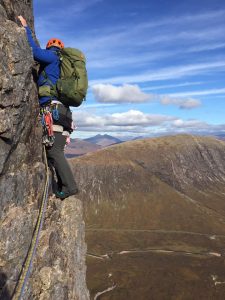
Bradley on the poorly protected/exposed 2nd pitch of January Jigsaw, Glencoe

Bradley on the poorly protected/exposed 2nd pitch of January Jigsaw, Glencoe


The front of the Kaipak has a large full length zipped compartment for keeping water proofs in, minimalizing “faff” time.  The sides of the pack are equipped with clever cinches that allow you to attach walking poles autonomously from anything else you want to attach on the sides, the cinche itself is metal so isn’t affected by “icing up” during the winter.

The shoulder straps are the perfect width for spreading load across the shoulders and the Aluminium frame and padding on the back structure is spot on. Another great feature on the 38 and 58 is the large hip belt that is exceptionally comfortable, and the two small pouches attached to it are handy for keeping essentials in.

As companies get bigger they tend to lose touch with who their client base is, why they started selling outdoor equipment in the first place. There’s many big brands out there that are not selling equipment as a result of listening to what outdoor recreationalists need from an outdoor garment and are instead focusing on what the market determines from a sales point of view. Fjallraven, despite their growing popularity are still pushing for innovation, when you buy a Fjallraven garment you also buy into their “ethos”.

On a personal note out of all the Fjallraven gear BCS use the Kaipak is probably my favourite piece. It’s proven itself on many different occasions from woodland, mountain and winter use.


Water water everywhere, but not a drop to drink…

Bushcraft and Wilderness Survival Courses in Scotland

Following on from last months blog “how much water is needed to survive” we will be having a look at water acquisition within a coastal environment in this post. Starting at the beginning and looking at procurement of water within a coastal environment……where’s the best place to start looking for potable water?

Rain water – The purest source of water, Rain water can be collected using any form of sheet material fashioned into a “well” and is the only method where you don’t have to worry about the 3 principles of water purification which are;

  1. Sedimentation – Allowing turbidity/particles to settle to the bottom of a container
  2. Filtration – Taking out any large particles that could host harmful pathogens within….It should be noted that Chlorine, Iodine and other chemicals “bind” to organic particles and might not necessarily reach the centre of particles to denature pathogens
  3. Purification/pasteurisation – Once the water is clear of particles using heat or chemicals to render pathogen inert. The boiling process is the most reliable as long as you have carried out steps 1 and 2 above.


All organic pathogens are denatured at “time over 72 degrees centigrade”, however bringing water to the boil is a good visual sign that you have achieved this. Don’t worry about boiling the water for a certain length of time just remember….Big bubbles No troubles

Streams – Water should be taken from swift flowing water where possible (bacteria and protozoa do not thrive well in highly oxygenated water.  When using water courses always take water from as high up as possible, this will reduce the amount of tributaries flowing into the main source.  Contrary to popular belief water taken from streams should always be purified (sedimentation and filtration is not needed when the water is running quickly)

Seep Wells – Simple but effective, look for indicator signs of saturated ground – Sphagnum moss, reed/rushes and surface water. Dig down into the ground until you hit the water table and allow the water table to rise within the well.  The water coming through at first will be full of turbidity so bail the well out two or three times until it starts to run clear and follow the 3 principles outlined above.

Within a coastal environment digging a seep well directly into the sand or even up on the banks will result in “brackish” water coming through. A top tip when using this method near the sea is to dig the well directly behind the first sand dune, this will yield potable water.

NOTE –The water is not reliably safe to drink straight from the well. 

Solar stills and transpiration bags – Both these techniques rely on evaporation at a slow rate. A well made solar still or transpiration bag left out in direct sunlight will yield around 300ml a day (1 cup)…..if you’re lucky. It should be noted that using salt water in a solar still will still result in Brackish water.


Fresh water from sea water

We are all familiar with the dangers of drinking sea water, but what actually happens when salt water is ingested?

  • The concentration of salt within the humans body is regulated by a process called Osmosis
  • Osmosis is the movement of high water concentration to low water concentration across a cell wall.
  • Cells hold a high water content within them, but a Low salt concentration
  • When the salt water which has a low water content but high salt concentration is drunk (sea water) this draws water, across the cells wall, and into the cell as an equilibrium is reached
  • too much salt in the system and the cells shrink and dehydration will occur at a higher rate, putting strain on the Renal system and other organs ultimately resulting in death.
  • The same thing happens were you to drink your own urine.

Where you to find yourself in a situation where there is no reliable source of fresh water you will have to think about converting salt water into drinking water, which is no mean feat. Out of all the methods that have been tried and tested by the BCS team the best result we have found is with an improvised Distillation unit.


Water Acquisition Within A Coastal Environment

Improvised Distillation Unit


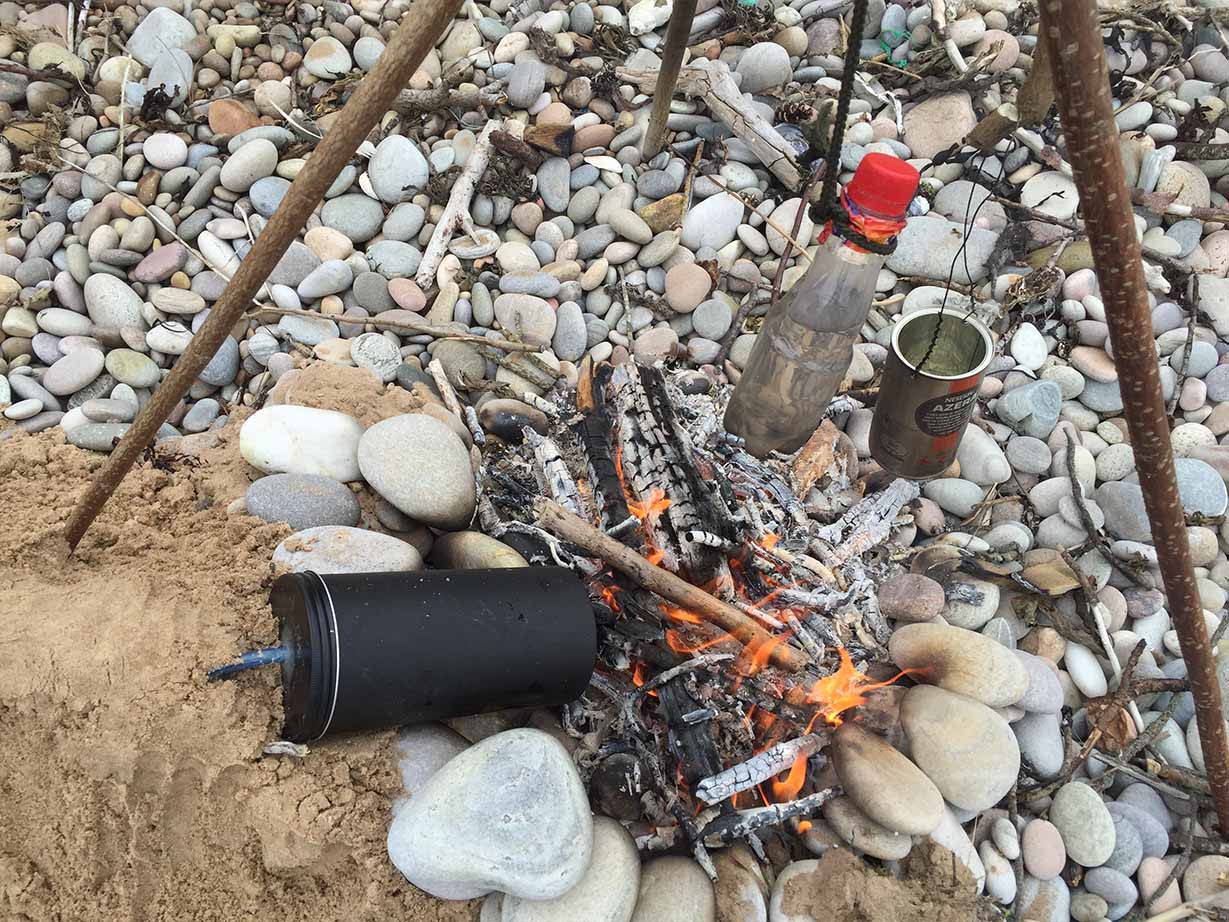
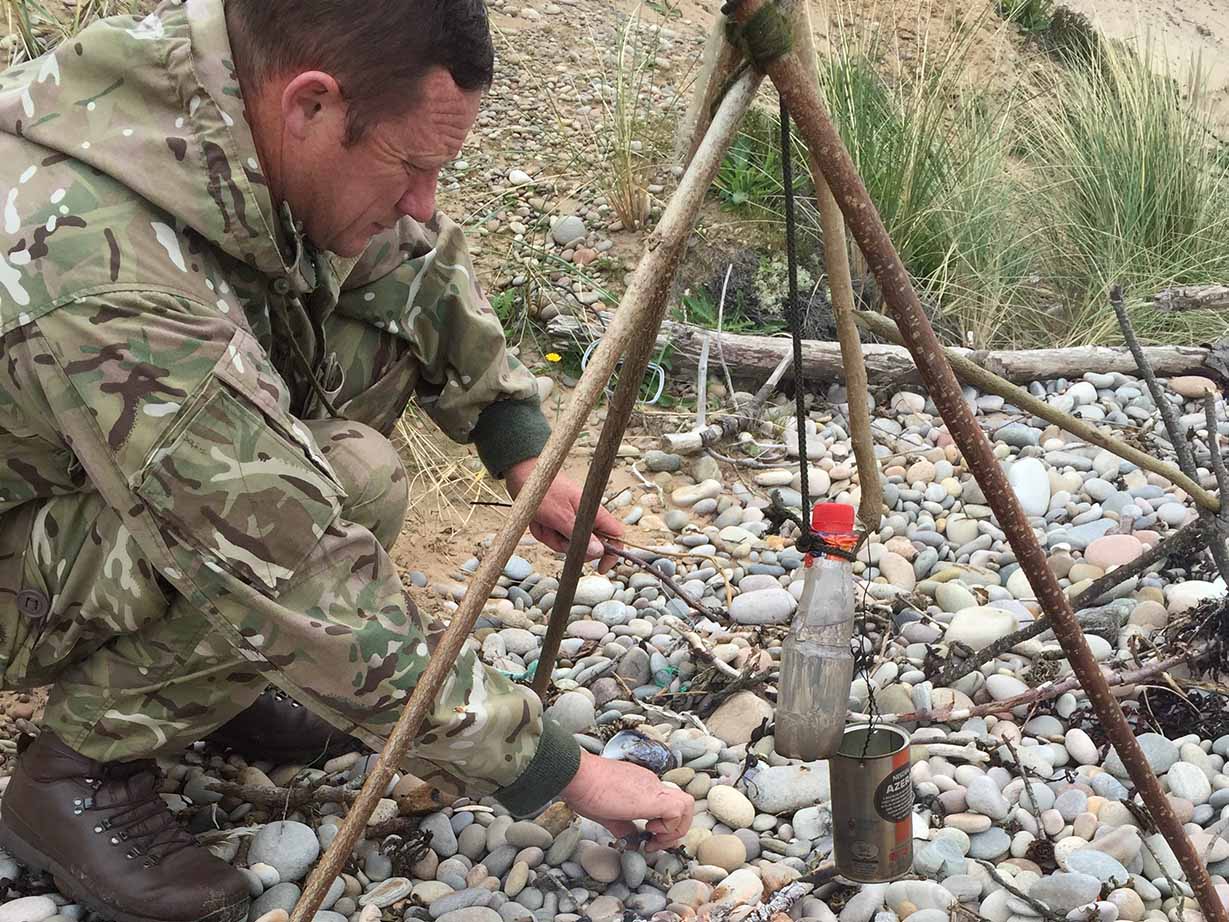
The one thing you’ll never be without on the shore line is resources. Flotsam and jetsam is abundant and even the most inconspicuous item can be utilised in many different ways.  The improvised distillation unit pictured comprises of a scavenged metal tin, a camelback drinking staw (already part of our kit) and a metal receptacle for fresh water.

  1. The Black metal tin contained 2 litres of salt water collected from the sea.
  2. the camel back straw was fixed to the top of the container and buried under wet sand
  3. The other end of the straw is placed into the fresh water receptacle.
  4. Light a fire at the bottom of the metal container holding the seawater and attempt to hold a constant heat (this is the hardest part of the technique)
  5. As the sea water begins to boil, fresh water steam begins to collect in the camel back straw, due to it being buried under wet sand the steam condenses in the straw and runs down into the fresh water container.


Result

Over a 1 hour distillation time, from the 2 litres of sea water, fresh water harvested was 100ml giving a ratio of 20:1. Although this does not seem a huge amount if you were to multiply this by 24 hours the total yield would be almost 2.5 litres which is significant.


Backcountry Survival Scotland Survival School

Reverse Osmosis Pump


Reverse Osmosis Pump (ROP)

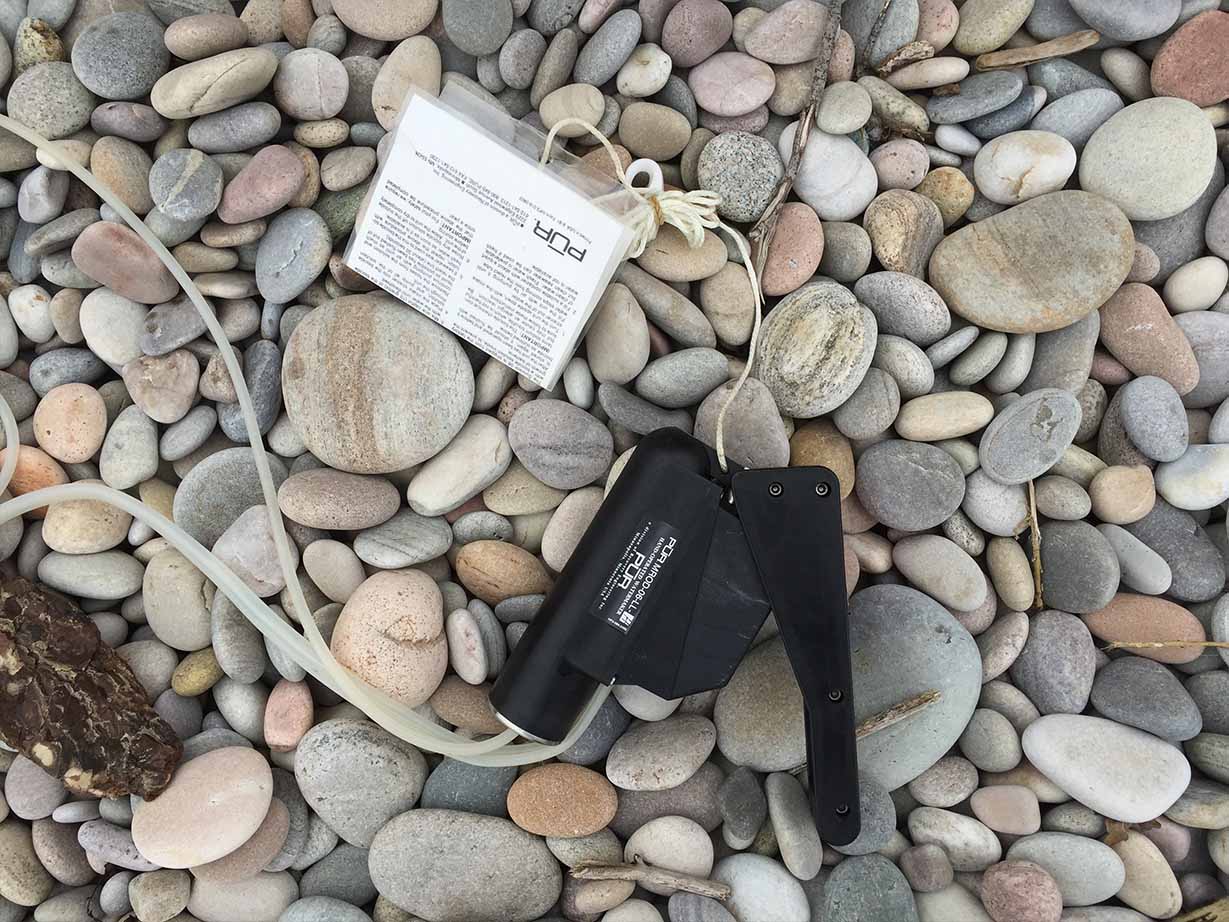
Reverse osmosis pumps can typically be found on life rafts and other vessels where crew members may find themselves adrift and unable to be resupplied for a length of time. The Survival ROP’s are reasonably small but due to the mechanisms are heavy.

As was discussed earlier, naturally the process of osmosis allows salts to pass from a high concentration to a low concentration across a membrane to achieve an equilibrium. The ROP, as the name suggests works the opposite way round, so to produce fresh water it holds the salt water in a chamber and pressure (produced by pumping) forces the salt across the membrane from a .  An “inlet” pipe is passed into salt water and the handle is pumped at 40 strokes per minute, the pressure reached within the chamber pushes low.


Keep up to date with our blog for more offers on our Bushcraft and Survival Courses in Scotland and North East England – We feature discounts and competitions regularly.

Getting Lost

Bushcraft and Wilderness Survival Courses in Scotland

We always hope it will never happen but what if you get lost in the great outdoors, injured or a friend you’re out with breaks a leg?  Getting your location out to potential rescuers is a hugely under rated topic that should be learnt by anyone spending time in the wilderness. Here’s 10 quick tips for getting yourself found quicker by the emergency services and SAR.

  1. Within a Survival scenario we always work to the 72 hour window……..you need to get yourself found within this time frame, after which SAR and emergency services begin to scale down the search.
  2. Leave a Route Card – We’ve all been guilty of it, heading off into the nature without telling anyone where we’re going. A route card can be given to a loved one, pinned on the fridge or left with a ranger station or the local police. A route card should include;
  1. Start point + Time
  2. End point + return time
  3. Rough route intended
  4. Potential contingency routes (if your plans change)
  5. Other members of the party and contact details

3. Mobile phones – Make sure your phone is charged, battery packs can also be bought for cheap to top your phone up if it’s running low. In an emergency use either 999 or 112, contrary to popular belief they will give you the same service. 112 is a pan european number but will also work in some 60+ other countries. If your phone has no signal whilst calling emergency services, your phone will “camp-on” another network, this is not the same as roam. A “camped-on” phone can only make outgoing calls and cannot receive incoming even if its from the emergency services. For wilderness emergency’s call 999/112 and ask for the police and then mountain rescue

4. Register with the 999/112 text service. Simply send register by text to 999/112, – if your phone has no signal or can’t “camp-on” to another network then you may be able to send a text to the emergency services. The text will also sit in your “outbox” until sufficient signal is gained to send it

5. Did you hear that? – Of the number of rescues I’ve been part of the whistle is the first thing you’ll hear. The correct distress signal on the whistle is 6 long blasts over 1 minute. If you hear this when out and about, reply with 3 short blasts and repeat until you close into the individual needing assistance. A quality whistle can be heard for over 1 mile in good conditions. A loud shout will carry for nearly a kilometre.

6. See the light – Apart from the obvious advantages of always carrying a head torch (!) it can also be used for signalling. Most modern head torches have a strobe setting on them which can be seen for miles. If you don’t have a strobe setting the emergency signal is the same as the whistle above. Always carry a space blanket, apart from first aid uses they can also be pinned down onto the ground and light shon onto it to increase the light signature .Cameras and modern smart phones have a flash setting on the camera, there have been cases of people being found using this. A “Heliograph” or mirror is a massively under-rated bit of kit and can be seen for 20 nautical miles or a ceiling of 10,000 feet +.

7. Be safe, be seen – There’s no need to be going out in camouflage unless you are in the military……Bright coloured clothing makes you instantly stand out. Orange is the first and last colour seen by the human eye but can sometimes blend in to the surroundings. “UN Blue” is our favoured colour as it is un natural in almost any terrain.

8. Ground to Air signalling (GTAS) – If you remember any GTAS it should be the inverted V, this is the international sign for “assistance required”. Always carry an orange survival bag, these can be cut up and fashioned into a GTAS along with foil blankets and any other bright materials you may have such as role mats, sleeping bags and jackets.  Ideally the inverted V should be 15 feet x 3 feet.

9. Hold their attention – Once you have attracted the rescuers stand with your feet together with your arms outstretched above your head in a Y shape, this is the stance for “assistance required”.

10. Prevention rather than cure – For the outdoor enthusiast, statistically, the number 1 reason you are likely to need rescued is due to a navigational error. Spend time brushing up on map and compass work, and carry a GPS for back-up use only. Avoid using phone apps as this runs the battery low quickly.  One of the first thing SAR/emergency teams will ask for is a 6 figure grid reference, make sure you can relay this along with the 2 letter Pre-fix (these are the blue letters that split the OS map into separate sheets).


Keep up to date with our blog for more offers on our Bushcraft and Survival Courses in Scotland and North East England – We feature discounts and competitions regularly.

New Backcountry Survival School in NE England

Bushcraft and Wilderness Survival Courses in Scotland

We will be delivering survival courses from next month onwards from our new second survival school in NE England, so if you can’t get up to visit us in the Highlands of Scotland you can book onto one of our courses closer to home.  All bookings will be online in September on our new website so keep a look out.

Keep up to date with our blog for more offers on our Bushcraft and Survival Courses in Scotland and North East England – We feature discounts and competitions regularly.

What’s the Minimum Amount Of Water Needed To Survive?

Bushcraft and Wilderness Survival Courses in Scotland

What’s the Minimum Amount Of Water Needed To Survive?

Let’s face it, running courses and spending time in the outdoors in Britain, there’s no shortage of water…..In fact we take it for granted!  But what about more Arid conditions such as the Desert, Being out at sea or even Arctic conditions?  How much water is required to keep the human body functioning when in Survival mode?

Water loss factors are very much dependent on external and physical factors such as the environment you are operating in (both weather conditions and terrain), and your physical output and fitness levels. The fitter/healthier you are the more efficient your body is at retaining and assigning H2O.

A breakdown of the mechanisms for water loss in the Human body is thus:

  • 600ml lost through urination (per 24 hours)
  • 400ml lost through the skin (per 24 hours)
  • 200ml lost through exhaling (per 24 hours)

It should be noted that the above is a figure for an average sized man whilst resting. If a survivor where to find themselves in a situation where water was scarce they would obviously become dehydrated and the rate of urination would drop, for arguments sake to 500ml<. This leaves a rough figure of 1 Litre or 32 ounces to keep the average human alive whilst resting in a temperate environment.


Keep up to date with our blog for more offers on our Bushcraft and Survival Courses in Scotland and North East England – We feature discounts and competitions regularly.

The Difference Between Bushcraft And Survival

The Difference Between Bushcraft And Survival

The Difference Between Bushcraft And Survival

A short interview we did recently for a blogging website on the differences between Bushcraft and the need for Survival training.

http://www.sumosurvival.com/episode-83-sumo-survival-bushcraft-podcast/


Keep up to date with our blog for more offers on our Bushcraft and Survival Courses in Scotland and North East England – We feature discounts and competitions regularly.

Life Above the Clouds 

Life Above the Clouds

Life Above the Clouds : A journey into the Cairngorms (and a test for some new Fjallraven gear!)

‘Best day of the winter season so far…’ ‘most memorable cloud inversion…’ comments like these were flooding in on social media pages from friends and colleagues, so it took no further persuasion for me to pack my ruc sac and head up onto the Cairngorm plateau.

Avalanche forecast noted, filed and similarly the weather forecast. The whole of Strathspey [and beyond] was covered in a low lying blanket of cloud, but those
Facebook messages and photographs from above Cairngorm ski centre showed what else was happening weather-wise… blue skies by day and star filled at night. The combination of hot days and freezing nights on snow fields were ideal conditions to field test some new Fjallraven clothing and equipment.

From the ski centre car park at 600 metres it was a steady uphill climb through sunshine and shade, sometimes on rocky ground, higher up on hard frozen neve where crampons were worn.  Finally cresting the slope of Fiacaill a’ Choire Chais and the welcome sight of the large cairn at spot height 1141m, a key navigation point in bad weather. Clothing consisted of Lappland Merino Henley shirt , Buck Fleece and Keb trousers. I was glad of the venting zips on the Kebs as when in the sun it was hot work. But I was on the plateau before mid morning which meant the snow was still frozen apart from the top 1-2 centimetres.. ideal for walking on without the crampons.

Life Above the Clouds

Life Above the Clouds

Walking poles off the kaipak ruc sac and crampons into the net side pocket. Around the edge of Windy Gap and across the summit of Stob Coire an t-Sneachda. A perfect vista far and wide over the snow laden plateau as the sun got higher. Perfect easy travel over the snow and great visibility with no navigation issues enabled me to traverse quickly across the basin of the Feith Buidhe to the magnificent overlook into the Loch Avon basin, this is without doubt one of the best viewpoints anywhere! But little time for awe inspiring views I wanted to get to my overnight bivvy spot before the snow melted too much. Down into the Garbh Uisge Beag drainage and luckily a collapsed snow bridge over the burn, perfect place to fill my water bag. A full four litre water bag added considerable weight to my pack and such bags are invariably unstable but the Kaipak has enough straps and buckles to make this item reasonably secure, though this didn’t seem to make the uphill pull onto my target Carn Etchachan feel much easier.

Home for the night was a one man tent perched on the small shoulder at the end of the Etchachan ridge 1120m. Firm flat snow col, great all round views and if I’d guessed right I’d get late sun in the evening and early sun in the morning. Arriving somewhere like this is always a highlight, finding just the right spot to camp or bivvy, setting up the gear quickly and efficiently and then the crowning moment sitting back with a brew! Like many who work in the great outdoors I’m not ‘minted’! But moments such as this… I’m endowed with riches and treasures…

Light and shadow begin the dance as the sun lowers. Wandering above the precipice of the Shelter Stone crags, hearing rock and avalanche [cornices slumping off], picking out climbing lines on Hells Lum  remembering faces and deeds from the past thereon, Raven calls and I salute him, as he is my brother.

Rapidly it cools. The Sun drops further towards the ridge north of Ben Macdui … cold is on its way! Time to don the Pak Down jacket. Almost immediately I feel warmer, a snug hood [but sadly no draw cord, this its only failing], good pockets. More photos of the ever changing colours. New Forest Gloves on for first time and again almost instant warmth, which I find unusual for gloves [ and most winter days out I’ll carry 3-4 pair]. An hours wander in the fast fading light before checking in to the tent.

Tent entrance fully open and rolled up so its more like a tarp. Now will be a full on field test. Sarek Three Season sleeping bag ..do your stuff! And it did. I wore only shorts and the Lappland shirt inside the sleeping bag and feel more than adequately warm. Estimated overnight temperature -3c. That’s a great performance from a three season bag. One snag was I didn’t like the leather tightener on hood drawstring, much prefer [ or possibly just so used to] plastic toggle. I did however think it a fantastic sleeping bag, light, packs down really well, and a major plus is Fjallraven info on their ethically produced down. I think we have , at last, moved far beyond companies just offering a ‘green wash’ version of production and ethics.. great to see this.

Up next morning to greet the dawn, still well below freezing so another test for the down jacket.. flying colours again. Then sun up and basking time with hot coffee before striking camp. Enough room in the Kaipak 58L ruc sac for all kit and such a comfortable carry too. I’ve used a smaller version for day pack and knew how simple but effective a pack it was. I’m not a big fan of packs with’floating lid’ and there was some slippage on the waist belt, but apart from these small niggles I think this is an outstanding pack. Out and up across to Ben Macdui summit, mine the first tracks this morning. A nice steady decent, blether with some ski tourers skinning up… and then down, into the valley and the ‘unreal’ world waiting beneath the cloud.


Keep up to date with our blog for more offers on our Bushcraft and Survival Courses in Scotland and North East England – We feature discounts and competitions regularly.


Robson Green Pre-Expedition Training

Bushcraft and Wilderness Survival Courses in Scotland

Robson Green Pre-Expedition Training

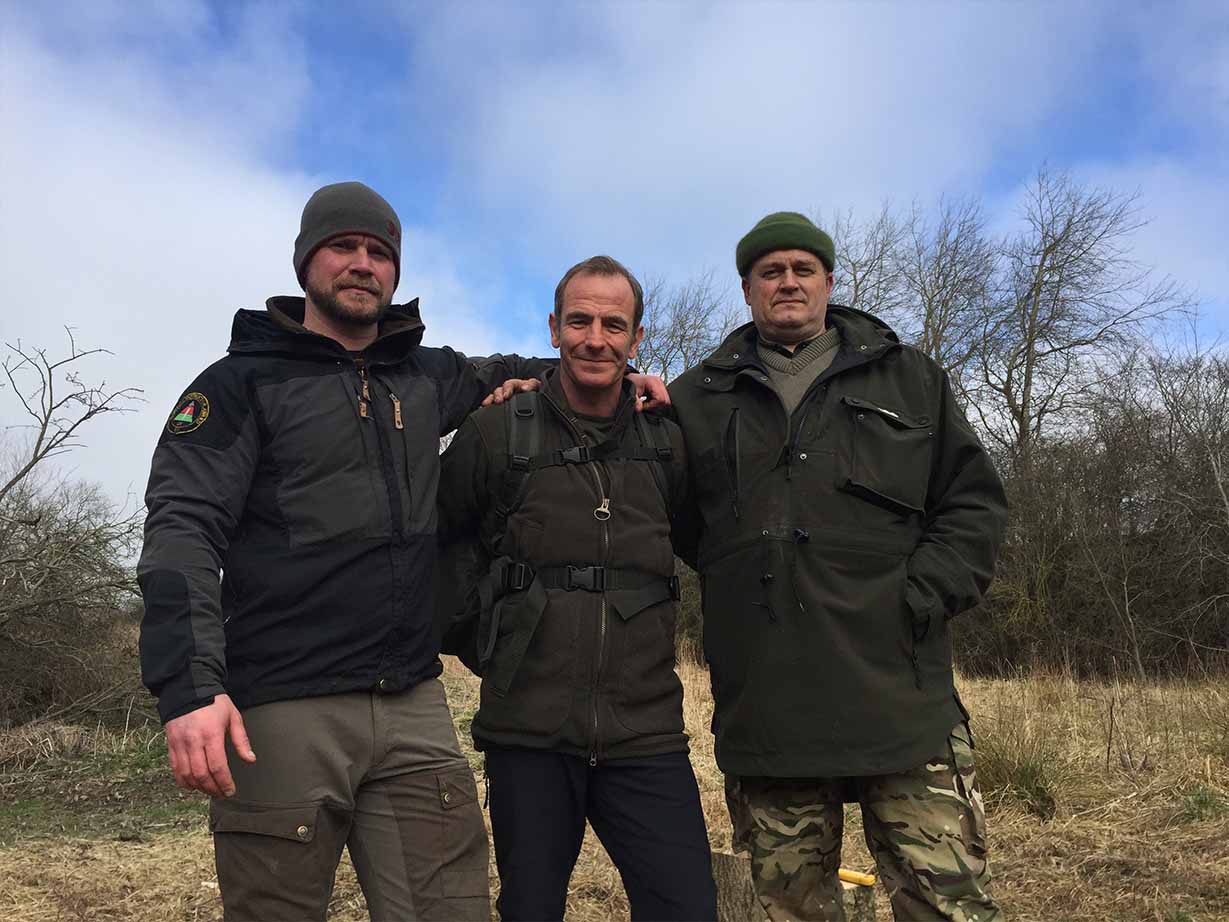
This week BCS have been working down south for JWC Media production team and Robson Green on a new Television series called “Robson Crusoe”. Robson who is no stranger to wild environments will spend 2 weeks living on a remote Island in the Phillipines with minimal gear. As you’d expect there will be plenty of laughs along the way, however on a more serious note Robson will be faced with some serious challenges similar to what Alexander Selkirk went through. If you’re not familiar with the story of Selkirk, the man Robinson Crusoe was based on, you can read about him here. A story of true survival, but also overcoming the odds and eventually thriving in an alien environment.


Robson Green Pre-Expedition Training

Stay tuned for more info.


Keep up to date with our blog for more offers on our Bushcraft and Survival Courses in Scotland and North East England – We feature discounts and competitions regularly.

Mountain Safety

Winter Woodland

Mountain Safety

This week has seen a large number of rescues in the British Mountain, in particular Scotland. If you’re going out please make sure you check the Mountain Weather Information Service and if you’re a hill walker, skiier, mountaineer or climber become familiar with the Scottish Avalanche Information Service. Survival isn’t about grizzing the bad weather out, it’s all about not getting into a survival situation in the first place. It’s also about having the right equipment with you and choosing a suitable route according to weather and topographical features. Attached to this post is our equipment list for our 3 day winter courses (this list doesn’t include crampons, ice axe, ski’s or other safety gear that we supply to our clients) it can be found here; snowholing

With a total of 3 deaths this week and 2 climbers having gone missing since Sunday (14th Feb 2016) The media are doing their usual, bringing up the questions “should the mountains be closed to people in the winter” and “should everyone venturing out into the wilderness have insurance”.Our personal opinion is absolutely not. The statistics for deaths in the mountains are relatively low VS the number of people participating in the activity.  This doesn’t comfort the loved ones of the mountaineering accidents, but the majority of serious outdoor hobbyists understand and accept the risks and try and manage them as best they can……sometimes accidents happen.

Should we be insured to enjoy the freedom of the mountains?  If I’m ever out in the Alps climbing, I make sure my insurance covers climbing accidents. The European system works differently from the British way of doing things though.  The rescue services in Britain are partially government funded with many of the Mountain rescue teams raising money for themselves through donations etc. All members of mountain rescue teams are volunteers, many of whom know what it’s like to be at the receiving end of a rescue. Lets put it this way, how many Saturday/Sunday football and rugby players each week are taken to hospital (via ambulance or helicopter)? How many accidents occur every month from Horse riding (one of the most dangerous past times you can participate in)?  The answer is many more than mountaineering accidents!! So why don’t we have the media demanding these sports are stopped, or to play them you need private insurance?

Regardless of the rights and wrongs, the most important thing to do is keep yourselves safe out there “work your weaknesses”, if you know your navigation is poor, book on a course….”the more you sweat, the less you bleed”.


Keep up to date with our blog for more offers on our Bushcraft and Survival Courses in Scotland and North East England – We feature discounts and competitions regularly.


Introducing The New Keb Endurance 2 Man Tent

Bushcraft and Wilderness Survival Courses in Scotland

Introducing the new Keb endurance 2 man tent

Backcountry Survival have been using Fjallraven tents for the past 3 years, both for personal instructor use and clients when running courses up in the mountains. We’ve seen the Keb tent range mature from being a reasonable tent that did the job, to the new upgraded edition, which to be honest is a different beast altogether.Lets start with the basics.

Running a company in the outdoors and especially in the Cairngorms, where the weather is at it’s harshest in the British isles leaves no space for second class gear. You have an equipment failure with something as fundamentally important as a tent on the wildness of the Cairngorm Plateau, and it can ruin a course, be incredibly uncomfortable and at the worst be potentially dangerous.

Backcountry Survival ran the Fjallraven 2016 tent launch in the U.K last October, with journalists from TGO and Trail magazine attending. From Backcountry’s staff point of view one of the highlights was the head designer Svante Bjorkroth had flown in from Sweden to do demonstrations and answer any technical questions that may float about.  Backcountry had in the past had minor issues with the older Keb 2 and 3  endurance, so we naturally had some feedback……..at the presentation on the hill it quickly turned out that all our questions had been answered in action rather than words by the design team, from new fabrics to new sourcing for the tent poles.


Introducing The New Keb Endurance 2 Man Tent

Fjallraven and primus press trip


The first thing to think about when buying a tent is ‘what are you actually going to be using it for?’ 

Are you going to be using a tent to throw in the back of a car and pitch up at a campsite? Walking or skiing long distance, so you need to keep the weight down to a minimum?  Camping in all seasons including winter?

I’m sure Fjallraven won’t make any bones about it, the clue is in the name Keb Endurance. The updated version of the Keb 2 is a 4 season workhorse that sacrifices lightweight for sturdiness and comfort.  The skirting around the bottom of the tent is reinforced for pitching on rough ground, the zips and zippers are heavy duty for use with gloves, the tunnel vents are reinforced with copper wire for sturdiness and as you’d expect with a winter tent the outer goes up first. The weight of the 2016 Keb 2 has been reduced compared to older models of the tent due largely to the upgraded fabric used (Polyester and polymide) which also almost completely eliminates build up of condensation. The “weight in bag” is 3350g which is acceptable for a 4 season tent. When issuing the Keb to clients we usually spread the weight evenly amongst the packs (one take poles and pegs, the other takes the outer and inner sheets)


Introducing The New Keb Endurance 2 Man Tent

Introducing The New Keb Endurance 2 Man Tent

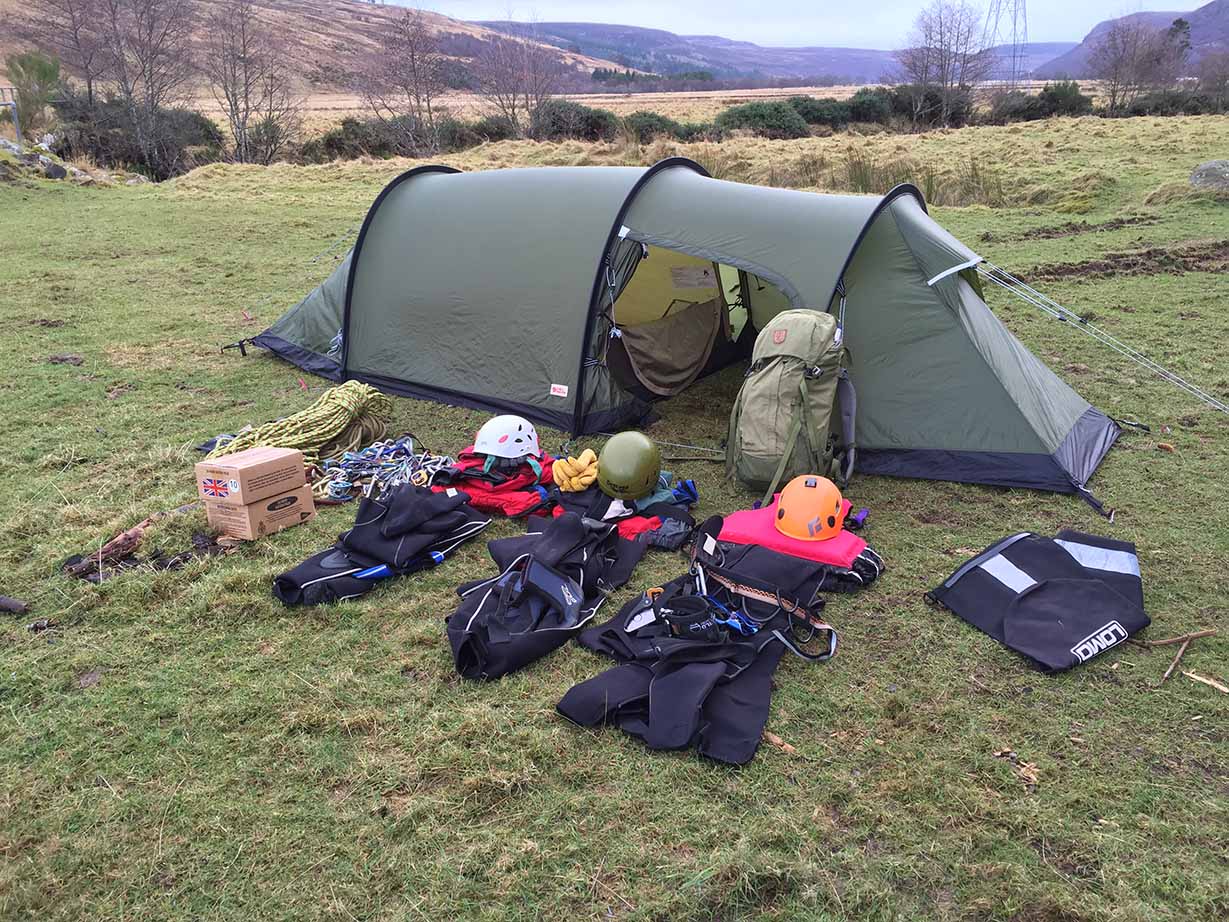
Working in the outdoors means I’m constantly doing recce’s for new areas to run courses, new crags to climb at and new gorges and canyons to keep courses fresh. You can’t do this without a tonne of safety gear, most of which needs to be dried at some point.  The Porch section of the Keb 2 is perfect for this and has roughly the same foot print as the sleeping area itself, in built dry lines inside and out keep the floor space clear. So regardless of how much of a gear freak you are, the tent will store it, the only problem is can you carry it all in with you!

The inside of the tent is quality, the panelling and cut of the inner has been well thought out and executed leaving you feeling like you are safe and in a quality product. The price of the Keb 2 hovers around the £500 mark which isn’t cheap, but lets put it this way…….How many times have you been caught out walking in the driving rain in a Jacket that feels like Rab C Nesbitt’s string vest? Been skiing in gloves you bought from a service station and quickly regretted when the “hot aches” set in? Or been standing on a freezing belay wishing you’d spent that extra £100 on a down jacket?  The fact is when you’re out in the wild, you can’t head to the shop! Make the decision to get one before you head out……you won’t regret it.

Want to grab a deal? Head over to our friends at Above and Beyond for the best deals


Introducing The New Keb Endurance 2 Man Tent


Keep up to date with our blog for more offers on our Bushcraft and Survival Courses in Scotland and North East England – We feature discounts and competitions regularly.

How The Water-To-Go 75cl Changes How we Make Suspect Water Safe.

Water-To-Go Review

Over complication of anything in a wilderness setting never works. The more working parts you have in a system the higher the likelihood that the system will fail. The consequences of not having ready access to clean portable water are obvious, so finding a reliable way of making dirty water drinkable is a high priority for anyone spending anything more than a few hours in the outdoors. Water safety lessons at Backcountry Survival focus on the big three filtration methods. The first stage: get rid of the visible stuff or sedimentation. Next, filter out particulates. Finish with purification to neutralise harmful pathogens, bacteria, protozoa and viruses.

For reasons I have never been able to get my head around the traditional filtration systems from Katadyn, Lifesaver and Sawyer (we’ve tried others too) never work that well for us. They break too easily: valves fail, handles snap, and the expensive carbon filters never produce the volume of safe water promised. In the field, traditional water pumps are not designed for sustained, repetitive, heavy-duty use. Given how important a constant, reliable source of clean water is, that’s a problem looking for a solution.

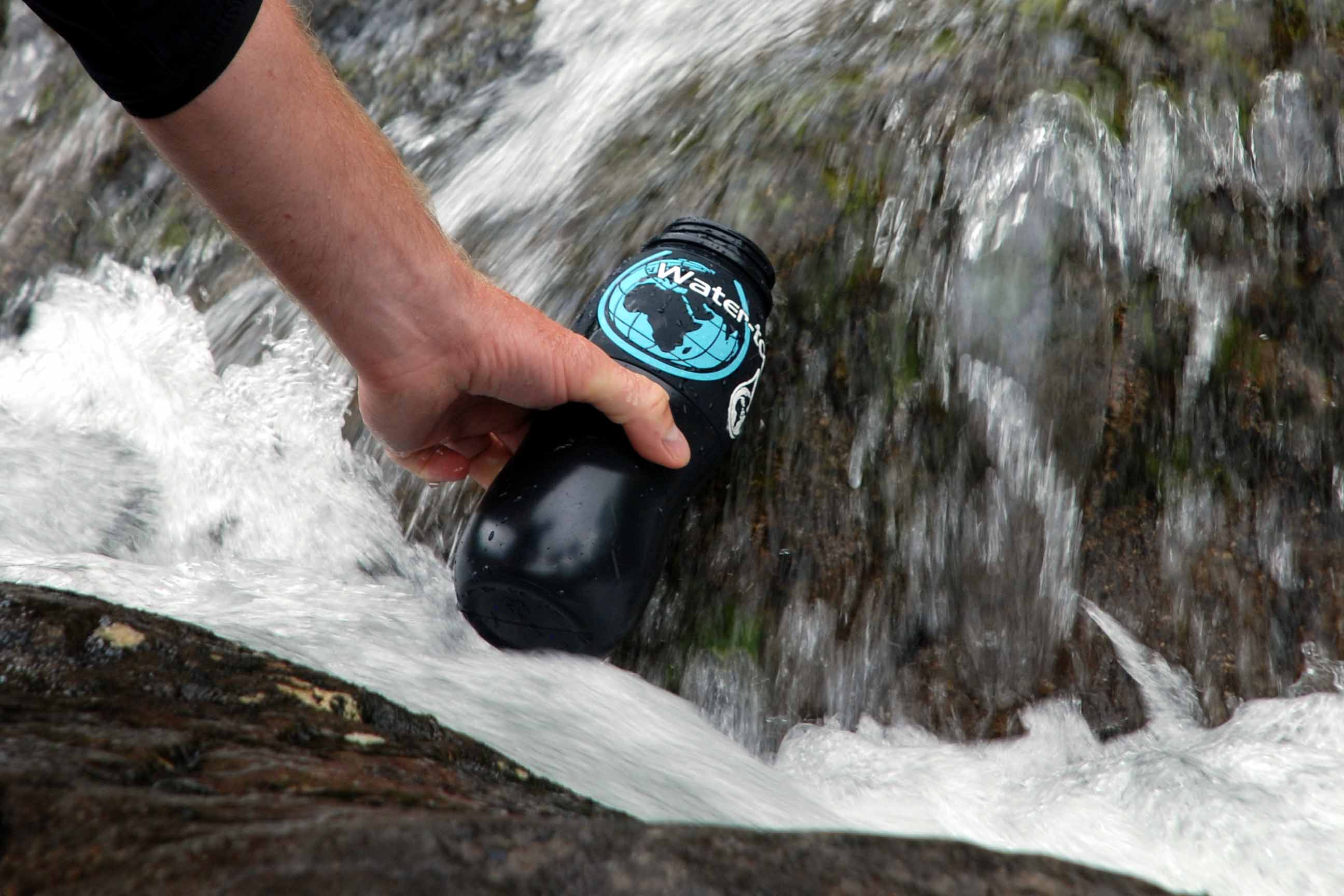
At first glance, the Water-to-go system looks like nothing more than an ordinary water bottle. But under the lid there’s a lot of interesting stuff going on. Water-to-go filters do use activated carbon, but they are not strictly “carbon filters”.

The Water-to-go system features a Nano Alumina membrane, a technology developed for NASA. The idea – like all good ones – is really simple. Nano Alumina active particles have a positive charge, harmful pathogens all have a negative charge. Anything that makes water unsafe is first captured by the active particles and then rendered harmless/denatured.

We really like the fact that Its easy to understand what’s going on under the hood, and We really, really like the fact that there’s nothing to go wrong, fail or break. Setup is swift and idiot-proof, unscrew the top and the primary filter screws into the underside of the lid. And that’s it. No pumping, no priming, little or no potential for cross-contamination. Note; You need to prime the filter the first time you use it.

The Water-To-Go will filter water with the following in it:

  • Bacteria, viruses and protozoa
  • Fluoride and chlorine
  • Heavy metals
  • Discolouration and bad odours.

Over the course of the last couple of months, we’ve given half-a-dozen Water-to-go bottles a severe hammering. Our brief wasn’t really to test them but rather to try and break them. We didn’t manage to do that. But we did make the decision to integrate them into all our future courses.


Summary

Adopting the Water-to-go system takes a major headache out of our course set-up: Provision of “on-tap” safe water, without the usual hassle.

Pros: Easy, reliable, fast clean water supply. Inexpensive. Maintenance free. Nothing to go wrong.

Cons: None

Rating: Five stars


Keep up to date with our blog for more offers on our Bushcraft and Survival Courses in Scotland and North East England – We feature discounts and competitions regularly.