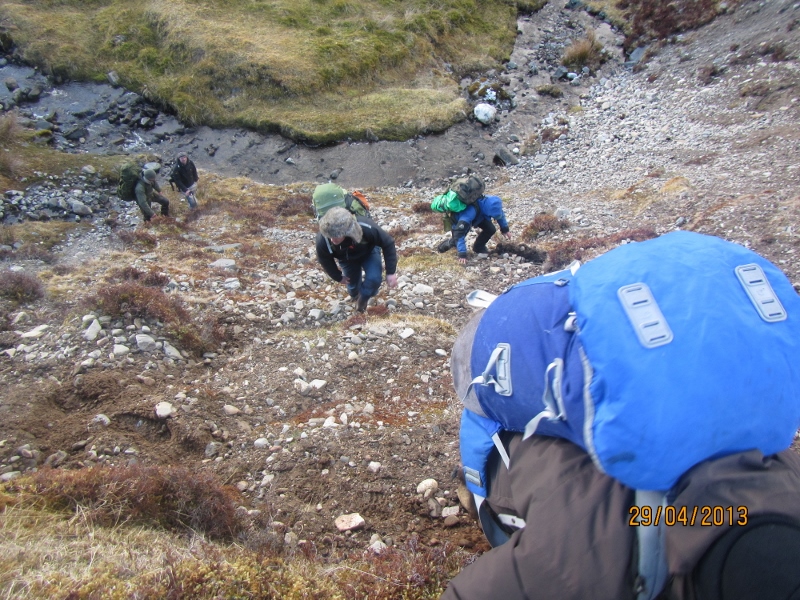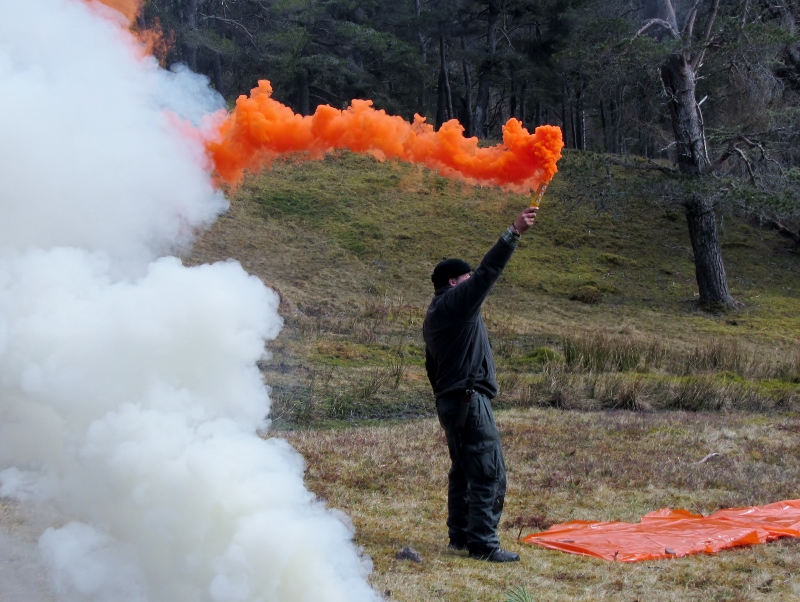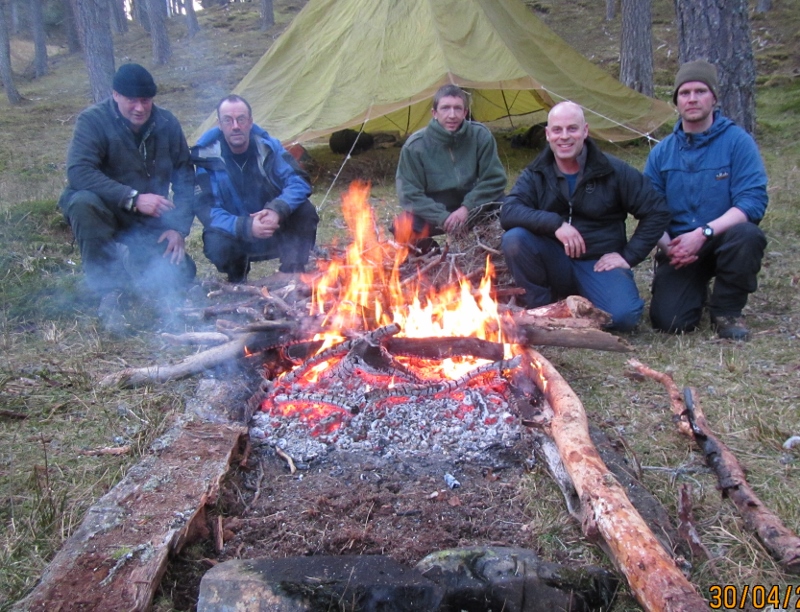

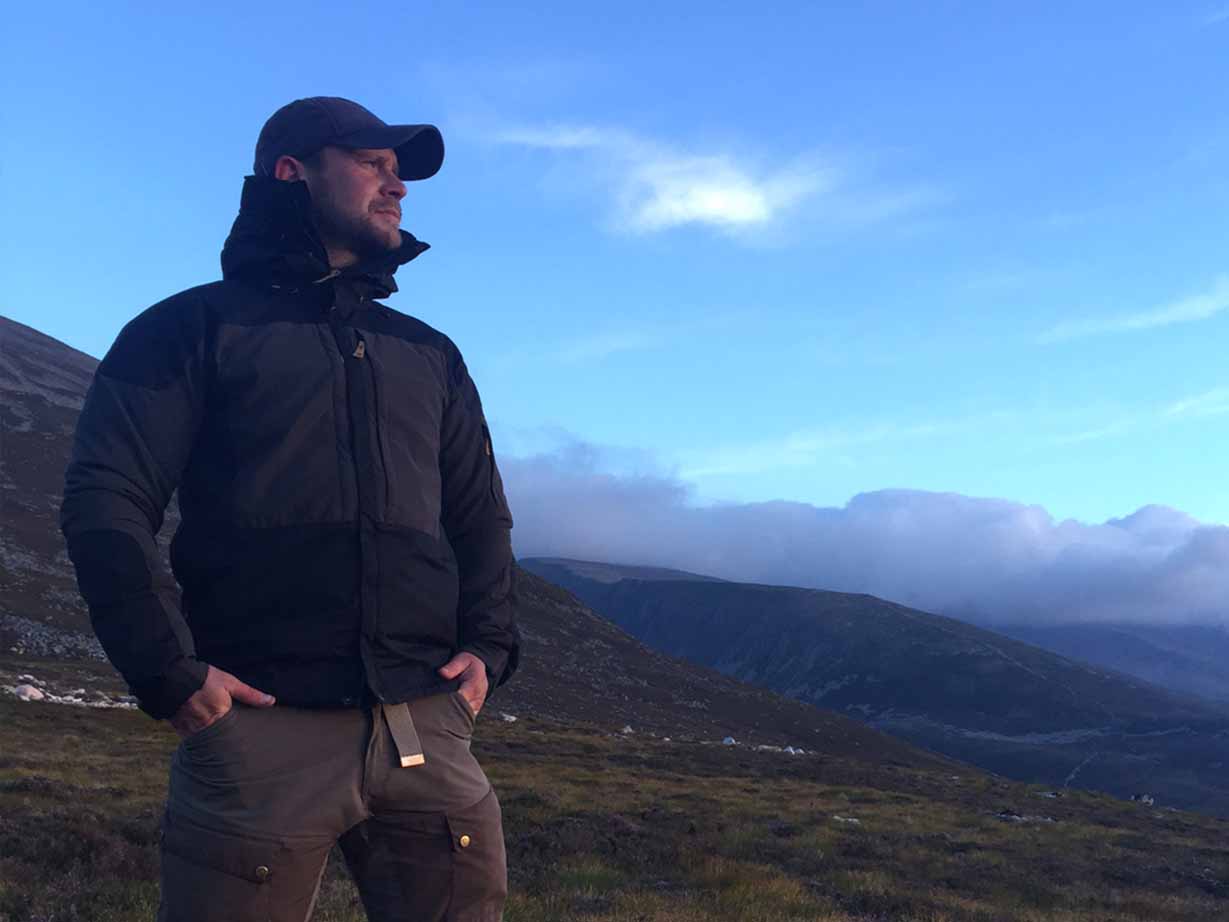
Its one of the mantras we live by on our courses….Survival can happen at any time in any place. Book on a Backcountry Survival multi – environmental course and you’ll be in the woods, on the hills and mountains and more than likely descending gorges! There’s certain clothing systems that work better than others in each respective terrain, and as we are mountain leaders with a personal as well as professional relationship with the hills, we were pretty psyced to get our hands on the new Keb Jacket from Fjallraven to test.
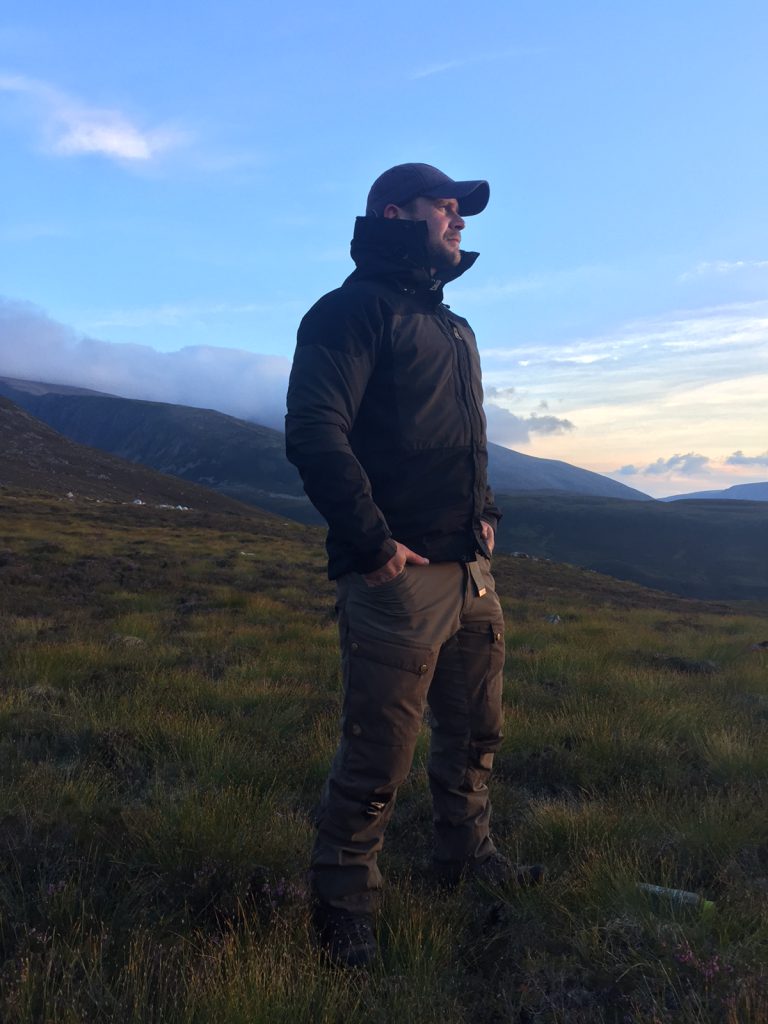
Fjallraven describe the Keb range as a technical mountain trekking line of clothing, which it is! The Keb jacket is panelled with the 4 way stretch for ease of movement around the chest, arms and back but also paired with the famous G-1000 fabric around the parts of the jacket that are liable to wear and tear notably the shoulders and waist where rucksacks tend to rub. As the shoulders are G-1000 they can be treated with Greenland wax for water proofing. The hood is very well thought out, giving you a number of options depending what the Scottish weather throws at you, and also sits over a climbing helmet exceptionally well.

Bushcraft and Wilderness skills in the Britain’s most northerly Survival School
What you tend to find nowadays is that companies are doing away with side pockets and are favouring the chest pockets instead. The thinking behind this is that if you have a waist belt on with your rucksack it’s a faff to get into the pockets, not to mention uncomfortable as the items are pressed against you by the waist strap. The Keb jacket is blatantly designed by outdoors men and women as the chest pockets are designed to hold a map comfortably with inner pockets to hold a compass or GPS securely.
The cut of the jacket is excellent, the waist line fits snugly with enough cover over your backside to stop it riding up under the rucksack or exposing flesh when you’re making an awkward reach whilst out climbing or scrambling. The front zipper comes right up to protect the lower part of your face, whilst the inner of the jacket is G-1000 to aid windproofing.
So where does the Keb jacket sit with regards to already existing mountain trekking systems and technologies? Having used mine out and about for work and leisure I would say its closely akin to a soft shell set up. The Keb jacket (like a soft shell) is never going to keep you completely dry in a deluge, but it is going to give you warmth, water repellence and flexability. Another point worth making is the modular thinking behind the Keb system and how it fits into the the Fjallraven Eco Shell which is their waterproof jacket, we’ll give the Eco Shell a write up next month. All great ranges of Fjallraven clothing can be found at our friends at Above and Beyond. Remember when you book on one of our courses you are eligible to 15% off Fjallraven and other great ranges.
Keep up to date with our blog for more offers on our Bushcraft and Survival Courses in Scotland and North East England – We feature discounts and competitions regularly.
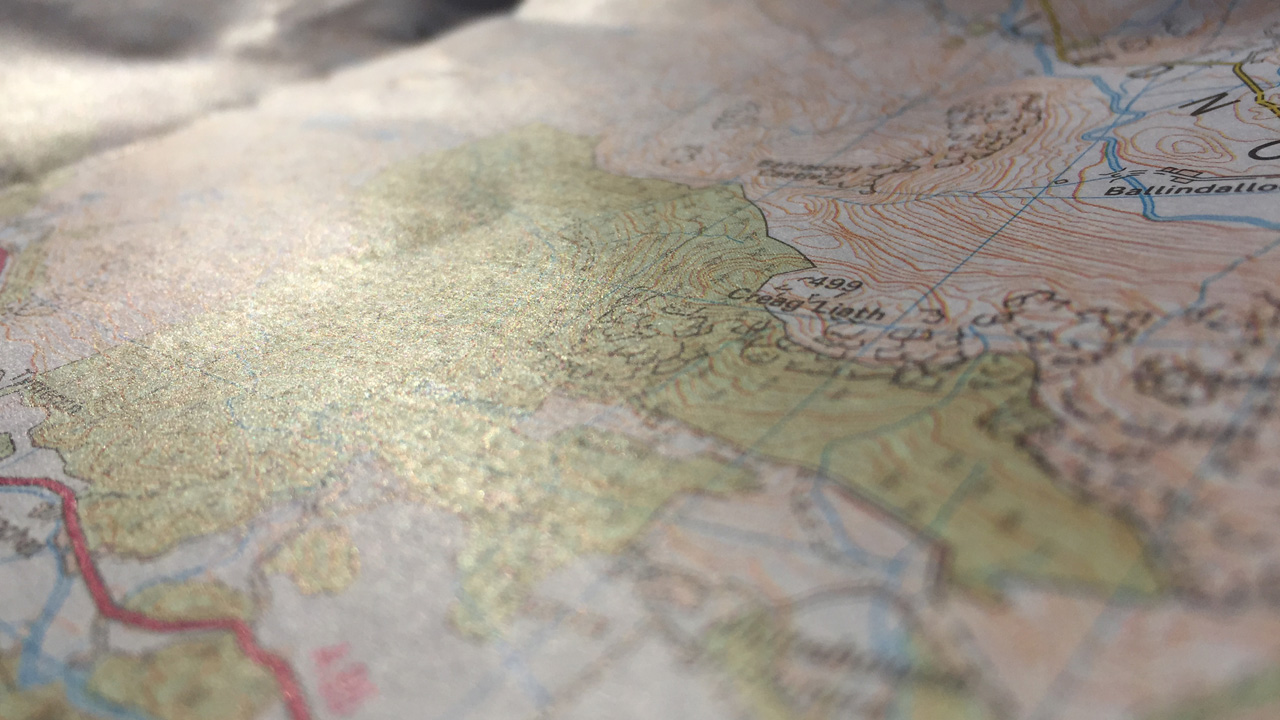







 avalanche forecast (which can be found at
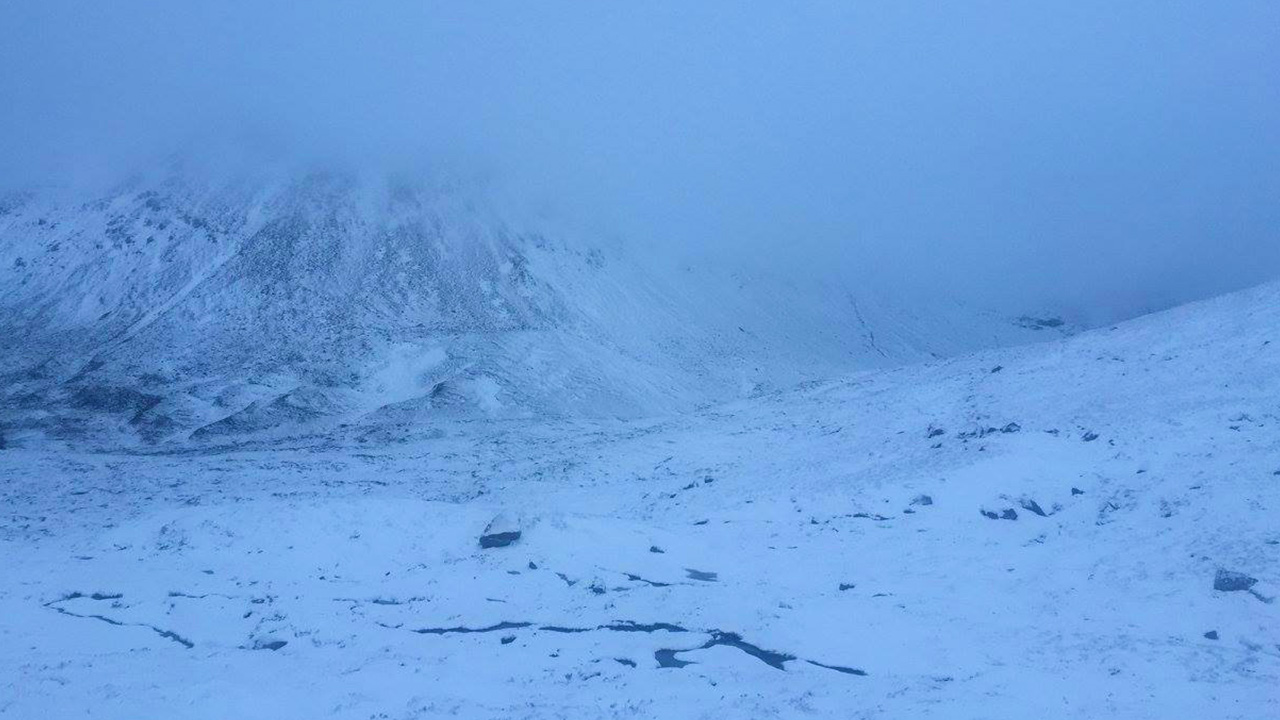
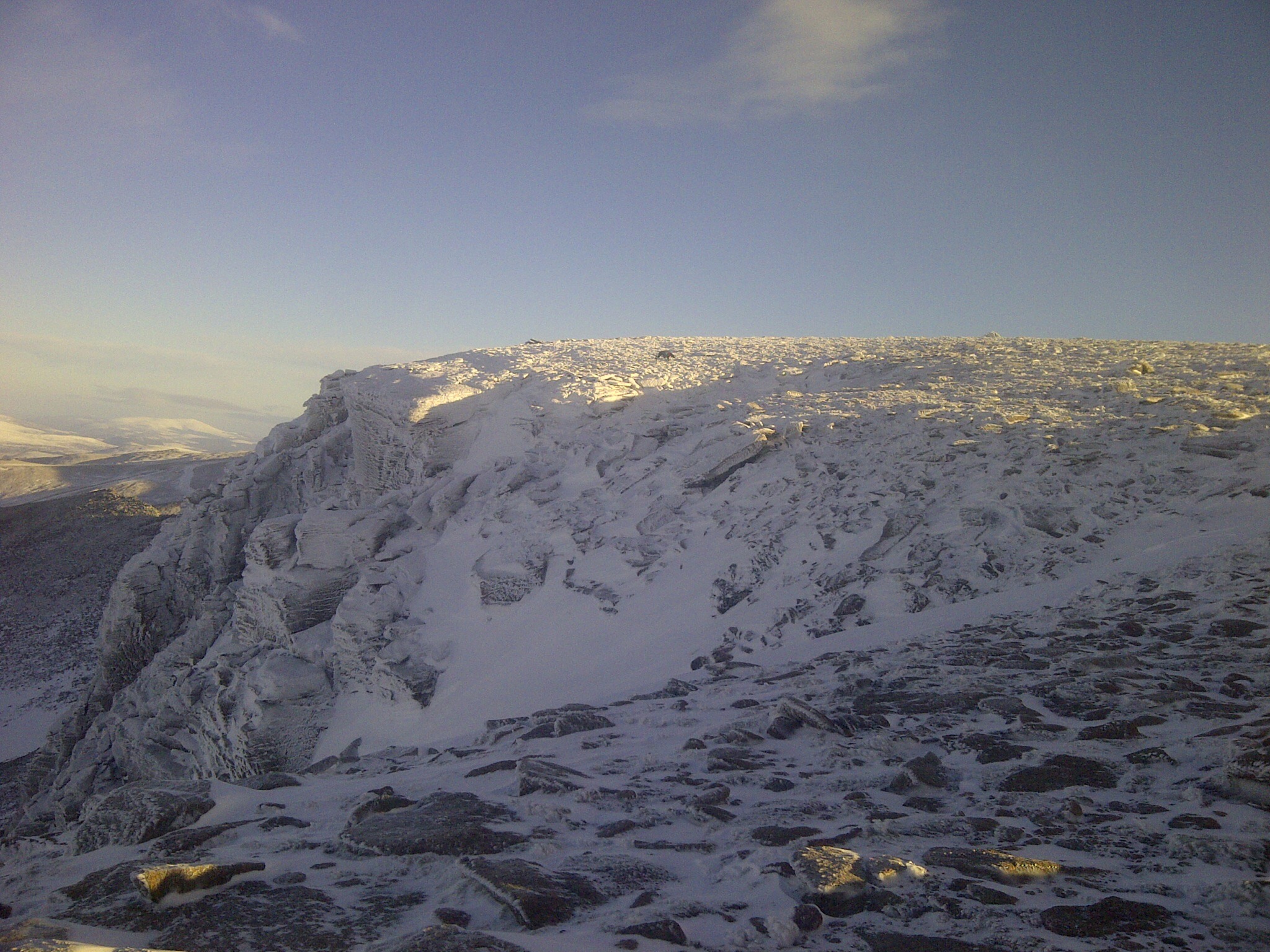
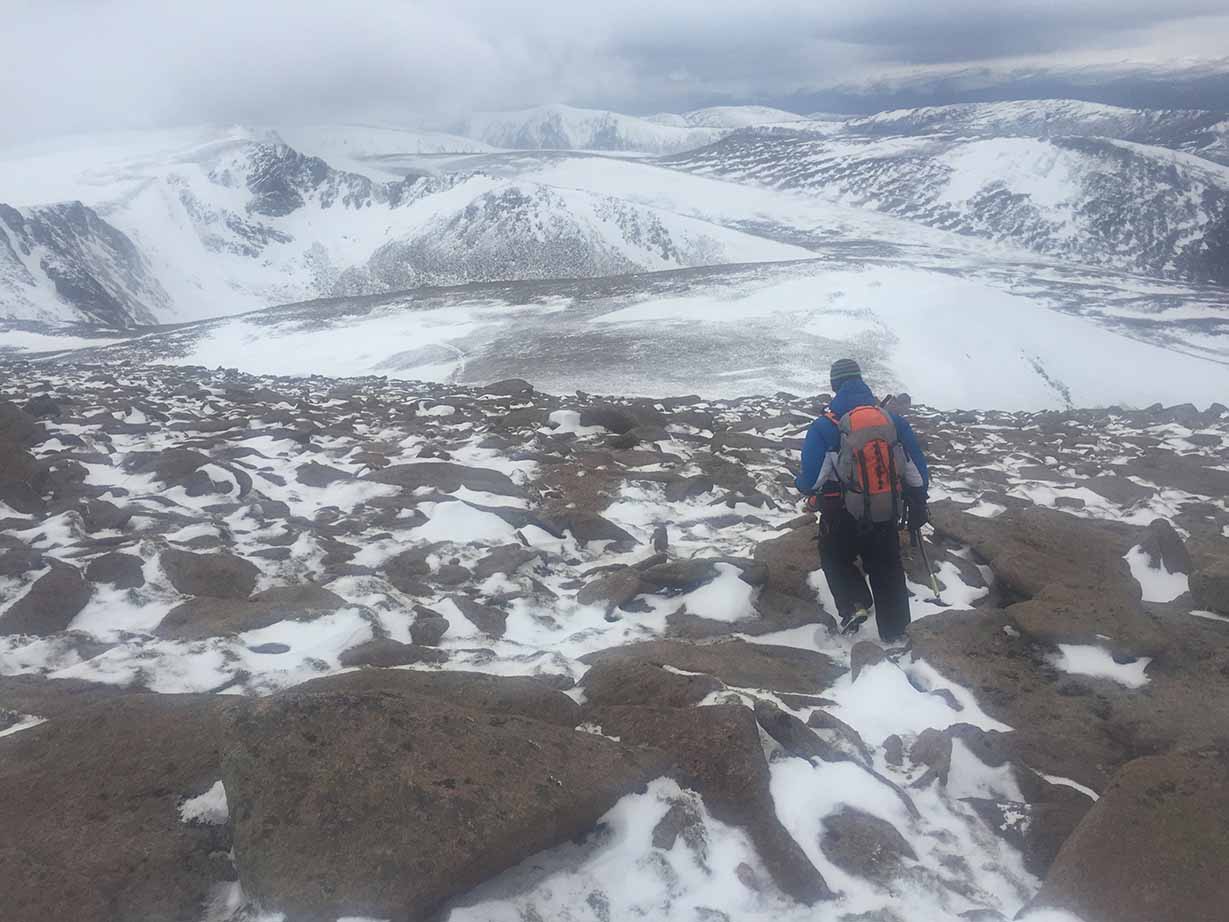
 For myself personally, being self-sufficient in the Mountains is the biggest reward. To be able to travel in a hostile environment knowing that I will be able to cope with almost anything the mountains have to throw at me is what Mountaineering is all about. Yet you cannot just turn up on the mountain and expect everything to go as planned. The mountain environment is frequently different from sea level when it comes to the weather. Setting off from the car on a sunny winters day, can rapidly turn into a fight for survival when up higher, never underestimate this factor. Prior to heading out you should check the weather, my preferred site is
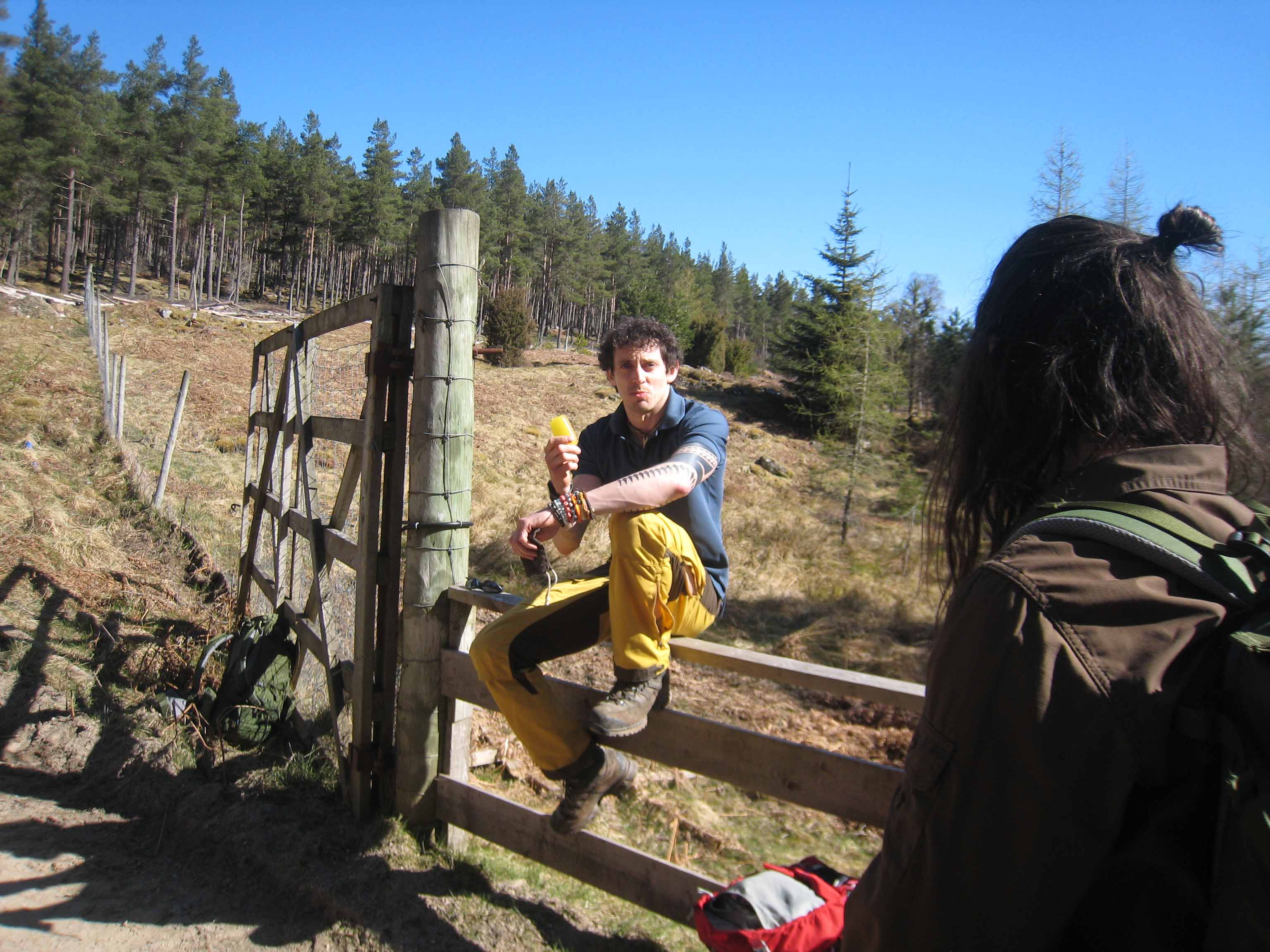
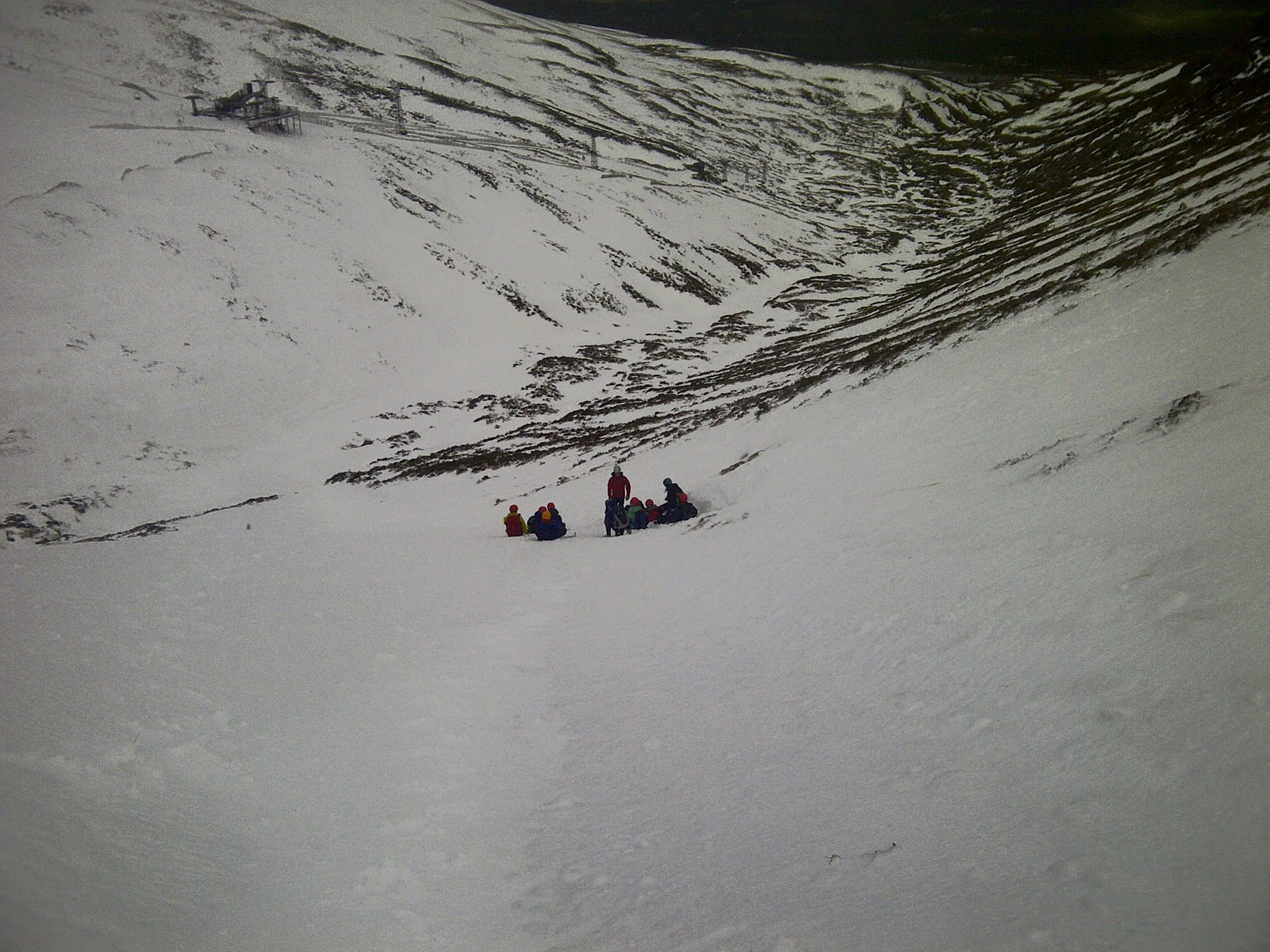
  There has been a number of interesting articles recently released by the Mountain Leader Training Association (MLTA) regarding decision making in the mountains. One of these was regarding the use of Heuristic decision making. Put simply if you had to make minute decisions about everything, everyday then your head would be overloaded analysing. Heuristics are “short cuts” and include stereotyping, rule of thumb and common sense. Although these can be useful “shortcuts”, when coming to a decision they can lead to misinterpretation of a situation; “you can’t always read a book by its cover”. Examples of Heuristics that you may face on a mountain day could be being faced by a steep avalanche prone slope that have footprints up it, you would be excused for thinking that if the slope were to avalanche it would have been triggered by the party in front of you. Another scenario could be being familiar with an area and thinking there’s not usually a cornice there, so there won’t be one now. Your Heuristic findings do not take into account the dynamic nature of the snow pack or the historical weather patterns prior to setting out.